Frank Sinatra and the Mob: Separating Fact from Fiction (The Complete Guide)
Frank Sinatra remains the most thoroughly investigated entertainer in American history. People constantly debate his highly publicized underworld connections. For decades, whispers of violent backroom deals and sinister Hollywood interventions have shadowed his monumental legacy. Furthermore, his extraordinary life perfectly mirrored the dark, incredibly violent rise of Las Vegas. Consequently, millions of fans struggle to understand where the brilliant singer ends and the legendary gangster myth begins.
To truly understand the Chairman of the Board, we must separate cinematic fiction from heavily documented historical facts. We must examine his ironclad contracts, his dangerous vacations, and his massive FBI file. Ultimately, the true story reveals a man who fiercely desired absolute independence. He stubbornly refused to bow to studio heads, politicians, or even syndicate bosses. This comprehensive guide serves as the ultimate roadmap to Frank Sinatra’s deeply complex relationship with the American Mafia.
The Dorsey Contract and the Hollywood Mafia Myth
Modern audiences frequently misunderstand the sheer desperation of Sinatra’s early career. People generally assume that violent mobsters simply handed him his massive initial success. This enduring, incredibly stubborn myth stems directly from Francis Ford Coppola’s cinematic masterpiece, The Godfather. In the film, a brutal mob enforcer presses a loaded gun against a bandleader’s head to secure a singer’s freedom. Consequently, the public universally believes a New Jersey gangster named Willie Moretti performed this exact violent act against bandleader Tommy Dorsey.
However, this dramatic Hollywood legend represents a complete fabrication. The historical reality involved a vastly different, far more sophisticated type of corporate warfare. In the early 1940s, Sinatra indeed found himself legally trapped. He had signed a notoriously exploitative, ironclad agreement. This legal document entitled Tommy Dorsey to an astonishing forty-three percent of Sinatra’s lifetime gross earnings. The singer became the biggest star in America, yet he remained virtually broke.
Therefore, Sinatra desperately needed to break the devastating contract. Instead of calling the Mafia for physical muscle, he hired the most feared talent agency in the world. He enlisted the absolute corporate power of the Music Corporation of America (MCA). MCA executives did not carry revolvers. Instead, they wielded devastating industry leverage. They aggressively threatened to blacklist the entire Tommy Dorsey Orchestra from national radio networks. Ultimately, Sinatra bought his own freedom through sheer, undeniable talent and a staggering personal financial sacrifice.
The 1947 Havana Summit: A Dangerous Vacation
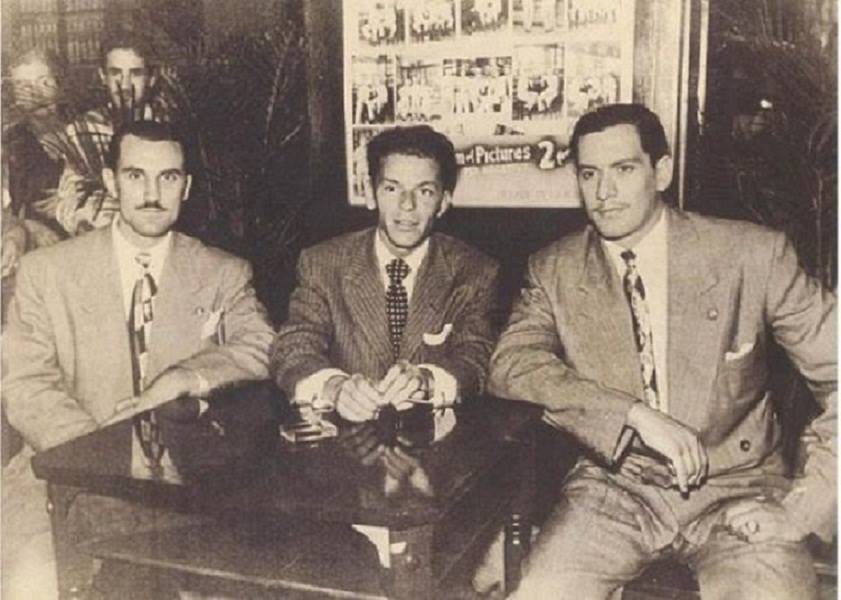
Sinatra successfully survived the Dorsey battle. However, his blinding arrogance soon triggered a massive, lifelong public relations disaster. The absolute turning point in his public narrative occurred during a single fateful vacation. Casual historians frequently misattribute this monumental trip to 1946. Actually, the journey that permanently crossed the line from neighborhood fraternization to international underworld exposure occurred in February 1947.
Sinatra traveled to Havana, Cuba, alongside Joe and Rocco Fischetti. Law enforcement widely recognized these brothers as the direct, lethal heirs to Al Capone’s Chicago Outfit. Upon arriving at the luxurious Hotel Nacional, Sinatra walked blindly into a massive underworld gathering. The exiled kingpin Charles “Lucky” Luciano had secretly orchestrated the infamous Havana Conference. Luciano summoned the heads of all the major American crime families to aggressively resume control of his criminal empire.
During the summit, Sinatra happily sang by the hotel pool and charmed the mobsters. Meanwhile, the syndicate leaders conducted deadly business in secret boardroom meetings just down the hall. Furthermore, persistent rumors indicated that Sinatra presented Luciano with a beautifully inscribed, heavy gold cigarette case. Syndicated newspaper columnist Robert Ruark eventually exposed this shocking underworld gathering in the national press. Ruark’s explosive front-page article completely shattered Sinatra’s wholesome, all-American public image. Consequently, the Havana Summit triggered a devastating, multi-year career slump.
The Government Watching: J. Edgar Hoover and the FBI
The explosive newspaper headlines from Havana caught the immediate, highly focused attention of J. Edgar Hoover. The powerful Director of the Federal Bureau of Investigation had previously received minor, completely unfounded tips regarding Sinatra’s wartime draft status. However, the Havana trip provided Hoover with the exact, devastating ammunition he desperately craved.
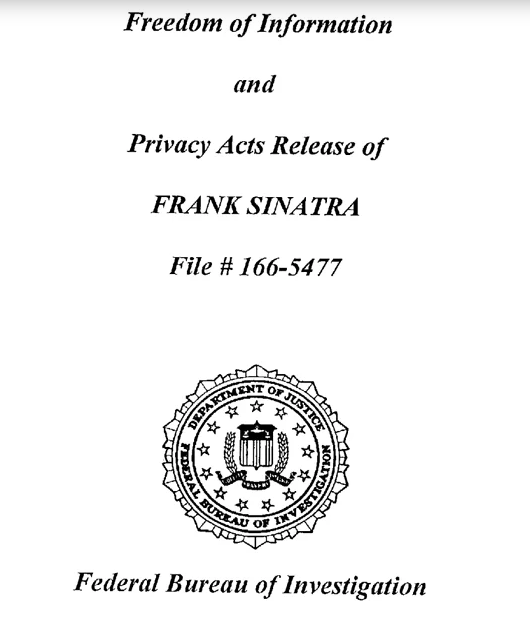
Hoover immediately officially opened a massive, sprawling file on the beloved entertainer. He had developed a deep, visceral, and highly personal distaste for the young singer. He viewed Sinatra as an arrogant, highly corrupting influence on traditional American youth. Therefore, Hoover ordered his federal agents to aggressively monitor the singer’s every single move. For nearly five decades, the FBI relentlessly tracked Frank Sinatra across the globe.
Federal agents meticulously recorded the names of the glamorous women who accompanied him. They successfully installed hidden wiretaps on the private telephones of Sinatra’s closest associates. They constantly monitored the phone lines of Chicago mob boss Sam Giancana, listening eagerly for mentions of Sinatra’s name. Ultimately, the FBI amassed a staggering 2,400 pages of highly sensitive, detailed documents. Yet, despite spending millions of taxpayer dollars, the massive government crusade ended in complete failure. The FBI never once successfully indicted Frank Sinatra for a single criminal offense.
Facing the Law: The Kefauver Committee and Gaming Hearings
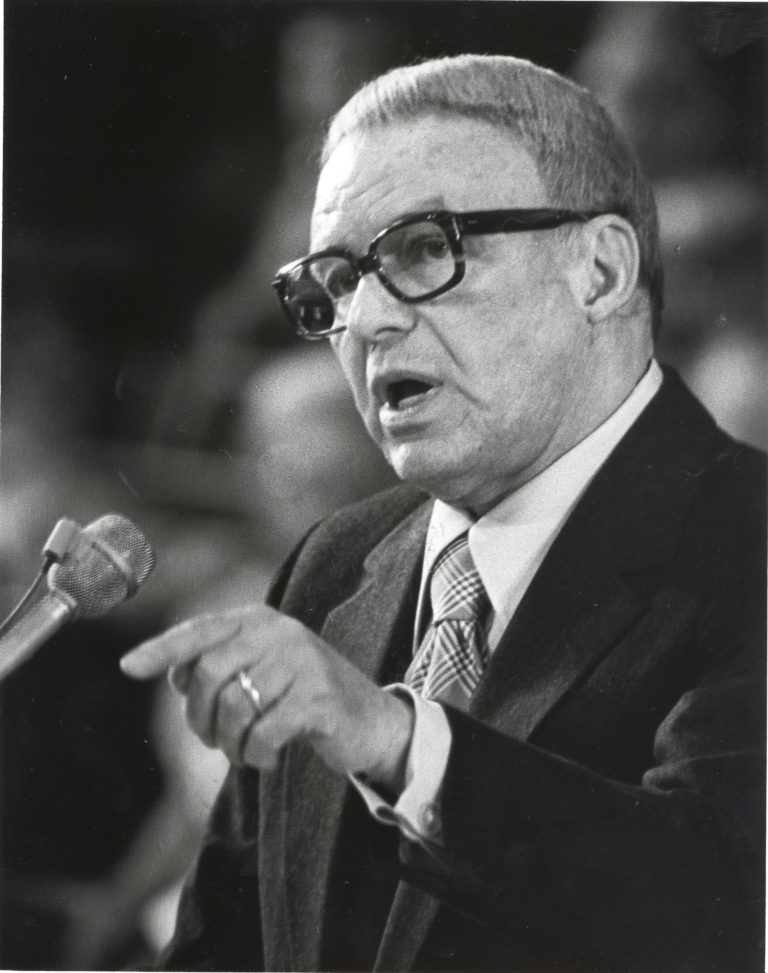
Because of the relentless FBI surveillance, the United States government repeatedly forced Sinatra to answer for his dangerous underworld associations. Over the span of thirty years, Sinatra faced two highly stressful, intensely public legal inquisitions. First, Senator Estes Kefauver launched a massive federal investigation into organized crime in 1950. The committee officially subpoenaed the terrified entertainer.
Sinatra ultimately negotiated a highly unusual, deeply secretive compromise. On March 1, 1951, he testified in the absolute dead of night to successfully avoid the massive press corps. During the pre-dawn interrogation, he smoothly deflected aggressive questions regarding the Havana Summit and the gold cigarette case. He relied entirely on a carefully crafted defense of absolute ignorance. He calmly claimed he merely shook the hands of mobsters out of simple politeness.
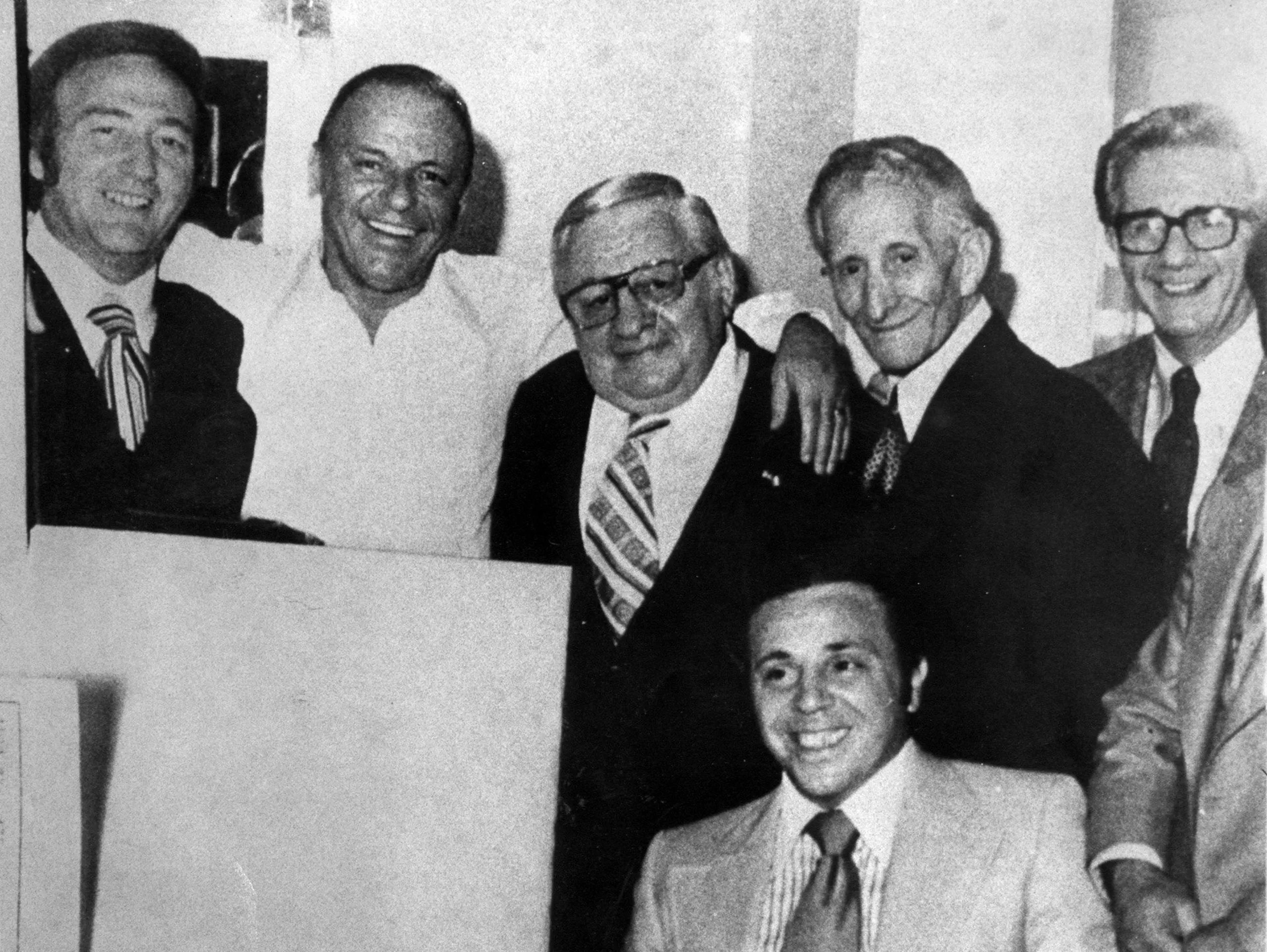
Decades later, his incredibly toxic mob loyalties brutally haunted him again. In 1976, a highly controversial photograph splashed across national newspapers. The picture showed a smiling Sinatra posing happily backstage at the Westchester Premier Theatre. He stood directly alongside Carlo Gambino, the absolute “boss of bosses” of the New York syndicate. The FBI later proved the theater operated as a massive financial skimming operation for the mob. Consequently, Sinatra was forced to boldly face the terrifying Nevada Gaming Control Board in 1981 to clear his name. Backed by brilliant lawyers and a glowing recommendation from President Ronald Reagan, Sinatra completely conquered the legal system. He successfully reclaimed his revoked Nevada gaming license in a massive, triumphant victory.
The Vegas Empire: The Sands Hotel and the Chicago Outfit
Sinatra’s legacy remains permanently intertwined with the glittering neon landscape of Las Vegas. Specifically, his massive power peaked during his reign at the legendary Sands Hotel and Casino. Sinatra purchased a highly lucrative nine percent ownership stake in the property. During the historic “Summit at the Sands” in 1960, he utilized the Rat Pack to create the ultimate, intoxicating American fantasy.
However, a much darker, highly dangerous reality existed directly beneath this glamorous surface. Ruthless men completely controlled the casino. The Sands Hotel operated as the ultimate, highly lucrative crown jewel of the American Mafia. Outwardly, the casino appeared completely legitimate. Behind closed doors, notorious underworld figures like Meyer Lansky secretly directed the massive operation.
Frank Sinatra essentially functioned as the most effective, highly compensated bait in the history of gambling. His unparalleled star power successfully lured wealthy high rollers to the desert. While the tourists enthusiastically watched the Rat Pack perform, the mob initiated a massive financial skimming operation. Inside the highly secure counting room, trusted mob associates systematically removed massive stacks of untraceable cash. The mob then quietly flew the stolen money directly back to the syndicate bosses in Chicago and New York. Ultimately, the golden era ended when eccentric billionaire Howard Hughes purchased the hotel. Sinatra absolutely hated the new corporate rules and violently exited the property after physically punching the new casino manager, Carl Cohen.
The Cal Neva Disaster: Giancana and the Kennedys

Sinatra fiercely desired total independence and his own personal kingdom. Therefore, he purchased the breathtaking Cal Neva Lodge nestled in the alpine wilderness of Lake Tahoe. He poured millions of dollars into completely renovating the property. He even constructed a complex network of secret underground tunnels to securely move his most controversial guests.
During this era, Sinatra successfully embedded himself within the highest levels of the United States government. He campaigned tirelessly for John F. Kennedy and frequently hosted the President. However, Sinatra simultaneously maintained a highly public friendship with Chicago Mafia boss Sam Giancana. This deeply toxic triangle created a massive, terrifying national security issue.
Attorney General Robert F. Kennedy launched an unprecedented legal crusade against Giancana. When the FBI informed the Kennedys about Sinatra’s close ties to the mobster, the White House completely panicked. Consequently, the Kennedys abruptly severed all ties with the singer, resulting in the deeply humiliating Palm Springs freeze-out.
Furthermore, Sinatra made a catastrophic, unbelievably arrogant decision in the summer of 1963. He secretly invited the banned mob boss Sam Giancana to stay at the Cal Neva Lodge. The FBI quickly discovered Giancana’s physical presence on the property. The Nevada Gaming Control Board moved immediately to entirely revoke Sinatra’s license. To avoid a catastrophic public humiliation, Sinatra completely surrendered. He voluntarily relinquished his highly prized gaming license and permanently lost his beautiful Lake Tahoe kingdom.
The Final Verdict on the Chairman’s Underworld Ties
Ultimately, the incredible story of Frank Sinatra and the Mafia represents a deeply complex, highly fascinating American tragedy. Frank Sinatra possessed a fiercely combative personality and undeniable, monumental talent. Sinatra certainly did not need violent mobsters to build his massive entertainment empire. He built his throne entirely himself, dollar by agonizing dollar.
However, his psychological origins in Hoboken dangerously desensitized him to the harsh realities of organized crime. He viewed the local “wiseguys” with a complex mixture of immense respect and awe. Throughout his extraordinary life, he stubbornly refused to abandon his underworld friends simply because the government demanded it. This blinding arrogance cost him his political dreams, his casino licenses, and his untarnished public image.
Yet, he navigated the most intense, prolonged federal scrutiny in American entertainment history. He completely outlived J. Edgar Hoover and successfully reclaimed his glittering Las Vegas throne. While the myth of the gun to the head makes for phenomenal cinema, the reality of his boardroom battles stands as a far more fascinating testament. The historical facts absolutely prove that Frank Sinatra possessed an unparalleled, absolute iron will to simply survive. He fiercely protected his massive empire, defended his unique legacy, and forever changed the history of American music.
References:
- Frank: The Voice by James Kaplan
- Sinatra: The Chairman by James Kaplan
- Sinatra: Behind the Legend by J. Randy Taraborrelli
- Sinatra: The Life by Anthony Summers and Robbyn Swan
- Rat Pack Confidential by Shawn Levy
- Mr. S: My Life with Frank Sinatra by George Jacobs and William Stadiem
- The Sinatra Treasures by Charles Pignone