Frank Sinatra and the Mob: The 1947 Havana Summit That Changed Everything
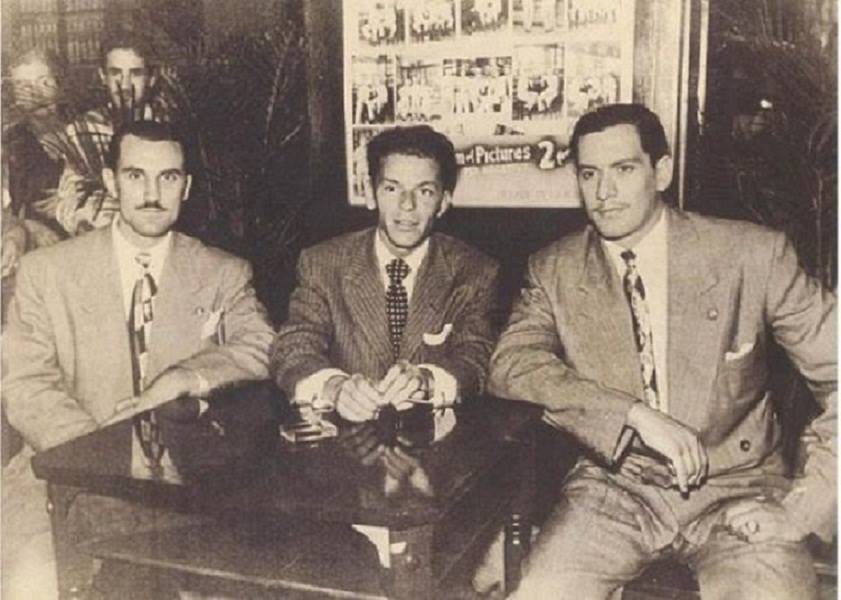
People fiercely debate Frank Sinatra’s relationship with the American Mafia. For decades, whispers of backroom deals and sinister Hollywood interventions have shadowed his legacy. However, to separate the cinematic fiction of The Godfather from gritty historical reality, we must examine one fateful vacation. Casual historians often misattribute this monumental trip to 1946. Actually, the journey that permanently crossed the line from neighborhood fraternization to international underworld exposure occurred in February 1947. Furthermore, this specific trip to Cuba placed the reigning idol of American youth directly into the epicenter of organized crime. Consequently, the Havana Summit triggered a lifelong media firestorm and a devastating career slump. Ultimately, it also sparked the relentless, decades-long obsession of J. Edgar Hoover’s FBI.
The Pre-Trip Context: From Hoboken to the Miami Heat
To understand his reckless actions, one must first look deeply at his origins. Frank Sinatra was certainly not a naive Hollywood transplant. First, he was born in 1915 into the rough, immigrant-heavy streets of Hoboken, New Jersey. His mother, Dolly, operated as a towering, ambitious political ward boss. She understood clearly that power in their neighborhood frequently flowed through unofficial, illicit channels. Therefore, Frank learned early on to view local “wiseguys” with a complex mixture of respect and awe.
Growing Up Around Wise guys
During his early singing days at roadhouses like the Rustic Cabin, he often encountered New Jersey underworld figures. For example, he frequently rubbed elbows with men like Willie Moretti. To the fiercely ambitious Sinatra, these men represented vast wealth and fierce loyalty. Moreover, they actively defied the Anglo-Saxon establishment that frequently looked down upon Italian-Americans. This psychological foundation dangerously desensitized him to the harsh realities of mob fraternization. He simply viewed them as neighborhood success stories who had violently fought their way out of crushing poverty.
The Crushing Pressures of Fame
By early 1947, Sinatra had reached the absolute zenith of his early career. He reigned as the undisputed king of the bobby-soxers. As a result, he earned astronomical sums and commanded unprecedented youth hysteria. Meanwhile, his brilliant publicist, George Evans, had meticulously crafted an image of Frank as a wholesome, all-American boy. But behind closed doors, Sinatra felt thoroughly exhausted. His marriage to his first wife, Nancy, was fraying badly. Consequently, he eagerly sought an escape from the suffocating pressures of his fame. He ultimately sought refuge in Miami, Florida. There, he stayed at a lavish mansion belonging to Charles and Rocco Fischetti. However, this decision alone represented a catastrophic misjudgment of optics.
Flying with Capone’s Heirs
The Fischetti brothers were not merely wealthy, enthusiastic fans. Law enforcement widely recognized them as direct heirs to the notorious Chicago Outfit. In fact, they possessed the formidable pedigree of being Al Capone’s actual cousins. Rocco and Charles operated as hardened bosses in the illicit gambling and racketeering trades. Conversely, their younger brother, Joe Fischetti, played a very different role for the syndicate.
The Mob’s Entertainment Liaison
Joe acted as a charming front man and an affable liaison. He purposefully embedded himself in the entertainment business to help launder the family’s dark reputation. Furthermore, he facilitated their massive investments in nightclubs and promising talent. Frank and Joe Fischetti quickly struck up a close friendship. They bonded deeply over their shared heritage and a mutual love of late-night revelry. Unfortunately, this specific friendship soon pulled Sinatra into a terrifying vortex of federal scrutiny.
Boarding the Flight to Cuba
On February 11, 1947, Frank Sinatra boarded a Pan Am flight from Miami to Havana, Cuba. He traveled accompanied by Joe and Rocco Fischetti. Surviving newsreel footage captures a moment that federal investigators would later dissect for decades. The grainy footage shows Sinatra walking down the tarmac from the plane. He is flanked closely by the Fischettis and noticeably carries a sizable piece of hand baggage. For years, rumors swirled aggressively in the press and within FBI files regarding this bag. Informants claimed it did not contain sheet music or tuxedoes. Instead, they alleged it held millions of dollars in untraceable cash. Supposedly, the singer hand-delivered this money to the exiled bosses waiting in Cuba. Definitively proving the actual contents of the bag remains impossible today. Nevertheless, the optics of the reigning pop idol acting as a courier for Capone’s cousins created a massive public relations disaster.
The Hotel Nacional: A Summit in the Shadows
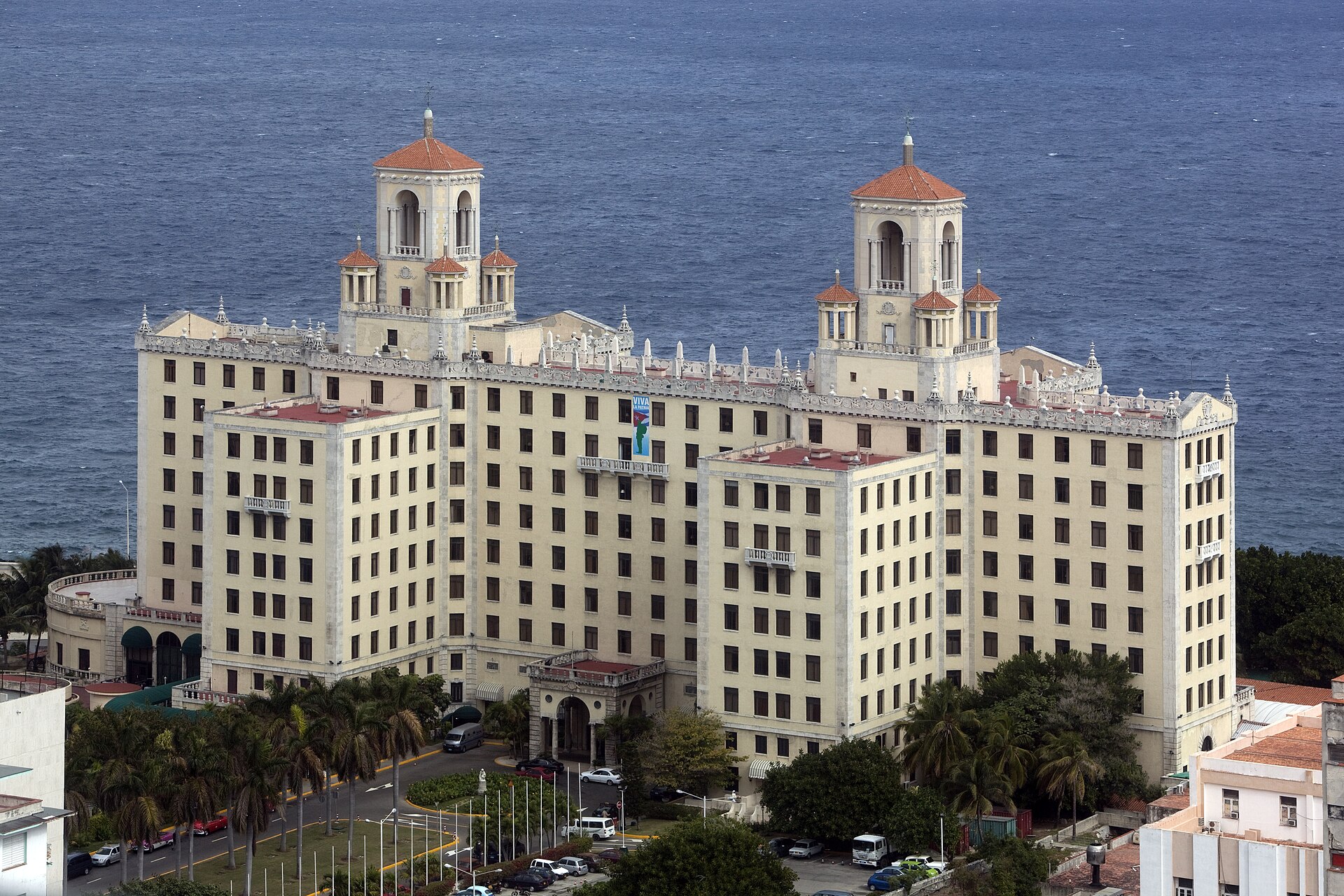
Upon arriving in Havana, the group checked immediately into the luxurious Hotel Nacional. Sinatra expected a sun-drenched, relaxing vacation consisting of rum and cigars. Soon, however, he realized he was surrounded by known criminals who all wanted his autograph. He had walked blindly into the infamous Havana Conference. Historians now universally recognize this event as one of the most significant underworld summits in the history of the American Mafia.
Lucky Luciano’s Master Plan
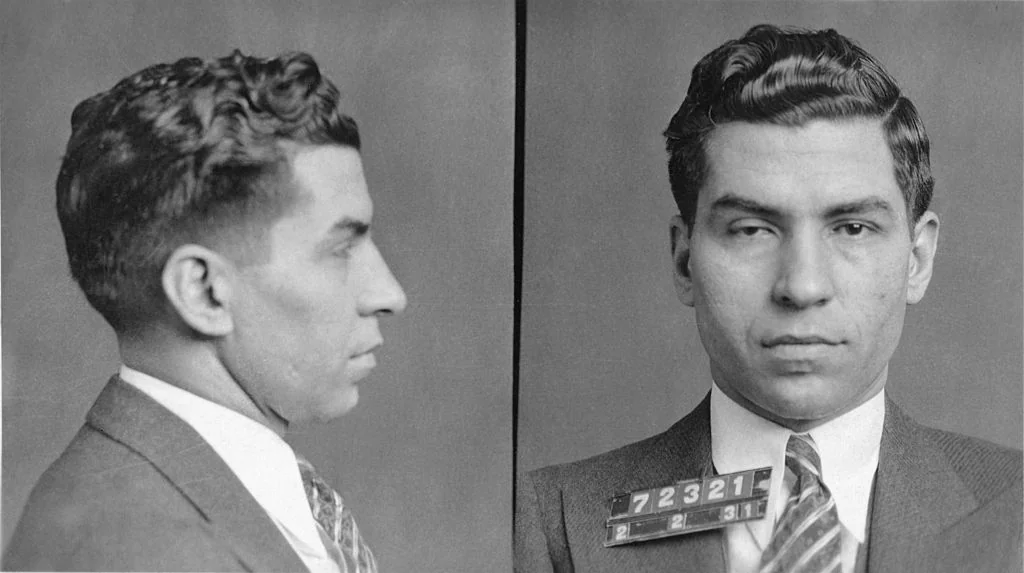
The exiled kingpin Charles “Lucky” Luciano orchestrated the entire gathering. The United States government had previously deported Luciano following his lengthy imprisonment. Afterward, he covertly relocated to Cuba to establish a new, powerful base of operations. He desperately wanted to sit mere miles from American shores and aggressively resume control of his criminal empire. Consequently, Luciano summoned the heads of all the major crime families to the hotel. He brought together a staggering concentration of lethal power. Attendees included notorious, blood-soaked figures like Meyer Lansky, Frank Costello, Albert Anastasia, Joe Adonis, and Joe Bonanno.
Singing While the Mob Schemed
The atmosphere inside the hotel felt incredibly surreal. The summit essentially served a very dark dual purpose. Outwardly, the mobsters fed a convenient cover story to the local Cuban press. Luciano’s biographer later explained that they framed this massive gathering as a legitimate gala organized to honor Frank Sinatra. Inside the hotel, however, the reality was chilling. Frank spent his days happily singing by the pool and holding court in the dining room. Meanwhile, the syndicate leaders conducted deadly business just down the hall.
The Fate of Bugsy Siegel
In secret boardroom meetings, Lansky and Luciano fiercely debated the fate of their childhood friend, Bugsy Siegel. Ultimately, they decided to authorize his gruesome assassination. They ordered the hit due to his catastrophic financial mismanagement of the Flamingo Hotel in Las Vegas. During all of this, Sinatra acted as the ultimate shiny object. He provided a glamorous distraction that afforded the mobsters the exact cover they needed to operate.
The Gold Cigarette Case: A Gift to a Kingpin
The most damning piece of evidence linking Sinatra to the boss of bosses was a simple luxury item. Rumors persistently indicated that Sinatra presented Luciano with a highly personalized gift during the summit. He allegedly offered it as a deep token of his utmost respect. Years later, Italian police eventually raided Luciano’s lavish apartment in Naples. During the thorough search, they reportedly discovered a beautifully crafted sterling silver cigarette case. The engraving read undeniably: “My Dear Friend, Charlie Luciano,” signed by Sinatra.
Confirmation from Italian Authorities
Accounts of the item varied wildly over the ensuing years. Some reporters claimed it was silver, while others insisted it was a lighter. However, the most authoritative confirmation came directly from a retired general of Italy’s Treasury enforcement unit. The general recalled vividly examining the exact contents of Luciano’s safe deposit box. Inside, he found a large, heavy gold cigarette case. Furthermore, he noted it was inscribed with the words “To my friend, or pal, Lucky” alongside the name “Frank” or “Frank Sinatra.”
Luciano Speaks Out
Later in his life, Luciano himself casually confirmed the exchange to his associates. He noted that Frank had “given a few presents to different guys, like a gold cigarette case.” Obviously, this exchange of expensive gifts shattered Sinatra’s later claims of total ignorance. You simply do not present inscribed gold jewelry to a man whose identity you claim not to know.
The Robert Ruark Exposé and the PR Panic
For nine days, Sinatra lived inside a surreal bubble of mob adulation. Then, the bubble violently burst on February 20, 1947. Syndicated newspaper columnist Robert Ruark published an explosive, front-page article with a Havana dateline. Ruark certainly did not mince his words. He wrote that he was “frankly puzzled” by the singer’s reckless behavior. He publicly questioned why a star of Sinatra’s massive magnitude would spend his vacation “in the company of convicted vice operators.”
An Undeniable Source
Ruark’s information was absolutely bulletproof. He received his tips directly from the terrified general manager of the Hotel Nacional. The manager reported that Sinatra was spending almost all of his waking hours lounging with Luciano and his armed bodyguards. The article hit the American mainland like a massive seismic shock.
George Evans Demands Damage Control
Back in New York, Sinatra’s fiercely protective publicist, George Evans, panicked immediately. Evans had spent years building the Sinatra brand on a strict foundation of youthful innocence. Now, his prized client splashed across national newspapers rubbing elbows with the Mafia’s primary architect. Consequently, Evans sent frantic wires demanding Sinatra return immediately and issue a total denial. Sinatra, however, possessed a stubborn streak of immense pride. He vehemently refused to back down or leave the gathering early. He felt that fleeing Havana would make him look cowardly to his dangerous hosts.
Sinatra’s Shifting Excuses
Instead, he issued combative, transparently weak denials to the press. He stated angrily that any claim he fraternized with racketeers was a “vicious lie.” Over the subsequent years, Sinatra offered a rotating carousel of unconvincing explanations. First, he claimed he had merely bumped into Joe Fischetti in Miami by accident. Second, he claimed the introduction to Luciano was a brief, chance encounter at a crowded dinner table. Finally, he famously justified his associations by reverting to his Hoboken roots. He claimed he was just a kid from a tough neighborhood who shook hands without asking interrogating questions.
The Long-Term Fallout: The FBI and the Slump
No amount of spin from George Evans could undo the massive public damage. The Havana summit permanently altered the public perception of Frank Sinatra. For example, the Catholic Church began to view him with deep, vocal suspicion. Furthermore, the bobby-soxers began to turn their attention to newer, safer musical idols. The 1947 trip marked the definitive beginning of Sinatra’s terrifying career slump. This brutal, multi-year descent included severe vocal hemorrhages and painfully cancelled contracts. He would not truly recover until his miraculous cinematic reinvention in From Here to Eternity in 1953.
J. Edgar Hoover Takes Notice
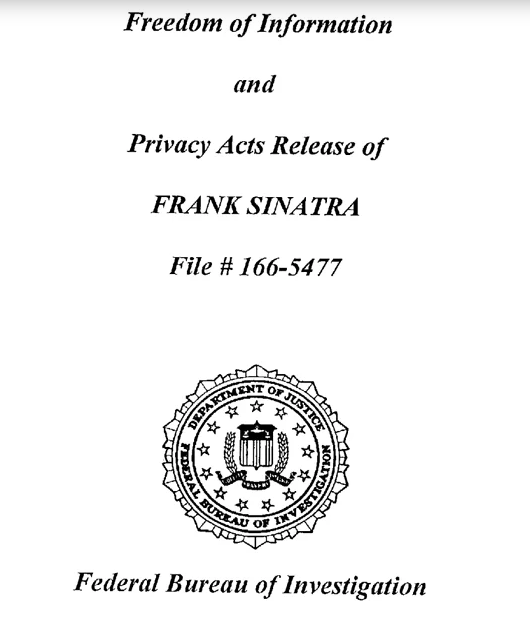
More dangerously, Robert Ruark’s column caught the direct attention of J. Edgar Hoover. The powerful FBI Director had previously received minor tips regarding Sinatra’s wartime draft status. Now, the Havana trip provided Hoover with the exact ammunition he deeply craved. The FBI officially opened a massive, sprawling file on the singer. For the next four decades, federal agents relentlessly tracked his movements and tapped his closest associates.
A Lasting Legacy
Hoover developed a deep, personal obsession with destroying Sinatra’s career. He viewed the singer as a highly corrupting influence on traditional American culture. Frank Sinatra survived the Havana Summit and eventually rebuilt himself into the legendary Chairman of the Board. Yet, he never truly escaped the dark shadow of the Hotel Nacional. The single week he spent under the Cuban sun forever tethered him to the darkest, most dangerous elements of the American dream.
References:
[1] Sinatra: The Life (Anthony Summers and Robbyn Swan)