Frank Sinatra and the Mob: The True Story Behind The Godfather Myth and the Tommy Dorsey Contract
It remains one of the most famous scenes in cinematic history. In Francis Ford Coppola’s 1972 masterpiece, The Godfather, a washed-up crooner named Johnny Fontane tearfully begs Mafia don Vito Corleone for help. Fontane desperately needs to break an ironclad contract with a tyrannical bandleader. In response, Corleone calmly assures his godson that he will make the bandleader “an offer he can’t refuse.” According to Hollywood lore, a mobster then travels to the bandleader’s dressing room. He aggressively presses a gun against the man’s forehead. Finally, he forces him to sign a release for a mere ten thousand dollars.
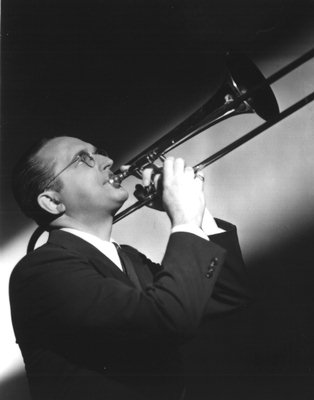
For over half a century, the American public has universally accepted this scene as the absolute truth about Frank Sinatra. Millions of fans genuinely believe that a brutal mob enforcer used a loaded weapon to rescue the young singer from Tommy Dorsey. However, historical reality tells a vastly different, far more complex story. Consequently, to separate the enduring cinematic fiction from actual history, we must examine the real mechanics of his rise. Ultimately, the true story of how Frank Sinatra broke his contract involves corporate ruthlessness, staggering financial sacrifices, and a bitter feud that lasted a lifetime.
The Cinematic Legend of Johnny Fontane
The sheer power of The Godfather permanently cemented this mob narrative into American pop culture. The public enthusiastically embraced the story because it perfectly fit their preconceived notions. People already knew about Sinatra’s heavily publicized, very real fraternization with underworld figures later in his career. Therefore, they easily believed that his initial success relied on similar illicit connections.
The Mythical Gun in the Mouth
Rumors regarding the contract dispute had actually circulated for decades before Mario Puzo ever wrote his famous novel. According to persistent underworld gossip, Sinatra eventually reached out to his old New Jersey connections for violent salvation. The rumor specifically named Willie Moretti. Moretti operated as a notorious, syphilis-addled Mafia underboss who completely controlled illegal gambling operations in Bergen County.
The Astor Hotel Rumor
The legend claims that Moretti traveled to Dorsey’s dressing room at the Astor Hotel in New York. Supposedly, Moretti shoved the cold barrel of a loaded revolver directly into Dorsey’s mouth. He then calmly informed the bandleader that his signature would be on the release papers, or his brains would be on the dressing room mirror. Dorsey allegedly signed the papers immediately in absolute terror. He supposedly accepted a token payment of one single dollar. This story sounds incredibly dramatic. However, extensive historical research and multiple authoritative biographies confirm that the Willie Moretti dressing room encounter never actually happened.
The Brutal Reality of the 43 Percent Trap
To understand the intense desperation that fueled these wild rumors, one must first examine the actual legal agreement. When Frank originally joined the Tommy Dorsey Orchestra in 1940, he signed a notoriously exploitative industry contract. The specific terms of this legal document were staggering by modern standards. First, the contract legally entitled Dorsey to a massive thirty-three and one-third percent of Sinatra’s gross earnings.
A Financial Stranglehold
Crucially, this percentage applied to his entire income in the entertainment industry. Furthermore, it explicitly covered the rest of Sinatra’s natural life. The intense financial bleeding certainly did not stop there. Dorsey also owned a lucrative management company run by his close associate, Leonard Vannerson. The contract stipulated that Sinatra owed an additional ten percent of his lifetime earnings directly to Vannerson’s agency. Therefore, the mathematics were brutal and undeniable. Before Sinatra even paid his own taxes, forty-three and one-third percent of his gross income belonged entirely to the Dorsey machine.
The Desperate Need for Freedom
By 1942, Sinatra’s popularity had absolutely exploded. The bobby-soxers swarmed theaters solely to see the young singer. Yet, the most famous vocalist in America was essentially broke. He desperately wanted to provide a beautiful life for his wife, Nancy, and their new baby. Instead, he constantly struggled to make basic ends meet. This extreme financial exploitation bred intense, burning resentment. Sinatra realized that remaining with Dorsey would ultimately stifle his immense artistic potential and bankrupt his family. He desperately needed to go solo.
Enter MCA: The True “Corporate Mob”
When Sinatra approached his boss to request a peaceful departure, he hit a massive brick wall. Tommy Dorsey outright refused to let his star attraction leave freely. He threatened to sue the young singer for every single penny he possessed. This desperate, seemingly inescapable legal trap pushed Sinatra to the absolute brink. However, instead of calling the Mafia for physical muscle, Sinatra hired a completely different kind of enforcer.
The Power of Lew Wasserman
He enlisted the absolute absolute power of the Music Corporation of America (MCA). At the time, MCA reigned as the most feared, powerful talent agency in the entire world. Founded by Jules Stein and driven by aggressive executives like Lew Wasserman, MCA essentially operated as a corporate monopoly. They controlled the biggest movie stars, the largest radio networks, and the most lucrative performance venues in the country.
A Different Kind of Threat
MCA agents did not carry loaded revolvers or break kneecaps. Instead, they carried briefcases and wielded devastating industry leverage. They understood exactly how to destroy a career without ever breaking a single law. Consequently, Sinatra’s new lawyers, backed by the immense weight of MCA, approached Tommy Dorsey. They did not bring guns to the negotiating table. They brought an incredibly sophisticated, ruthless corporate threat.
The Ruthless Boardroom Standoff
MCA executives explicitly informed Dorsey that he needed to negotiate a release for Sinatra immediately. If the bandleader refused to cooperate, the agency promised massive, swift retaliation. Specifically, MCA threatened to effectively blacklist the entire Tommy Dorsey Orchestra from the entertainment industry.
Blacklisting Tommy Dorsey
The agency wielded enough power to make good on this terrifying promise. They threatened to pull all of their other star clients from any prominent venues that dared to book Dorsey’s band. Furthermore, they threatened to utilize their vast, intricate radio network connections. They promised to keep Dorsey’s new music completely off the national airwaves. In the 1940s, losing radio exposure meant absolute financial death for a big band.
The CBS Radio Strike
Simultaneously, Sinatra had successfully secured a highly lucrative solo radio contract with the CBS network. However, CBS executives fiercely feared Dorsey’s legal retaliation. They flatly refused to let Frank broadcast until the legal dispute was completely resolved. The corporate pressure from both MCA and CBS created a massive, incredibly tense legal standoff. Dorsey operated as an incredibly wealthy, powerful, and deeply stubborn man. He maintained his own connections to powerful figures. Yet, he suddenly found himself completely surrounded by corporate enemies.
Buying Freedom: The Final Settlement
Dorsey finally realized the grim reality of his situation. Keeping Sinatra captive would ultimately cost him his own highly lucrative career. He simply could not fight the combined financial power of the entire American entertainment industry. Eventually, the ironclad contract was broken. However, it certainly was not settled for a mere ten thousand dollars or a signature made at gunpoint.
The Astounding Ransom
Tommy Dorsey extracted a massive, painful financial pound of flesh from his former star vocalist. To secure his absolute freedom, Frank Sinatra was forced to buy himself out of the contract. He essentially had to mortgage his own future earnings to satisfy the massive debt. Various historical accounts place the final buyout figure between sixty thousand and seventy-five thousand dollars. In 1942, this represented an absolute fortune, equivalent to well over a million dollars today. Sinatra took on massive personal debt simply to escape Dorsey’s legal clutches.
Dorsey’s Parting Curse
The separation remained incredibly bitter and completely devoid of any lingering affection. When the final legal papers were eventually signed, resolving the dispute once and for all, Dorsey offered no congratulations. The famously hot-tempered bandleader glared furiously at the young singer. Dorsey then delivered a final, hateful parting curse that would echo in Sinatra’s mind for years. He looked Frank directly in the eye and stated plainly, “I hope you fall on your ass.”
The Johnny Fontane Feud: Sinatra vs. Puzo
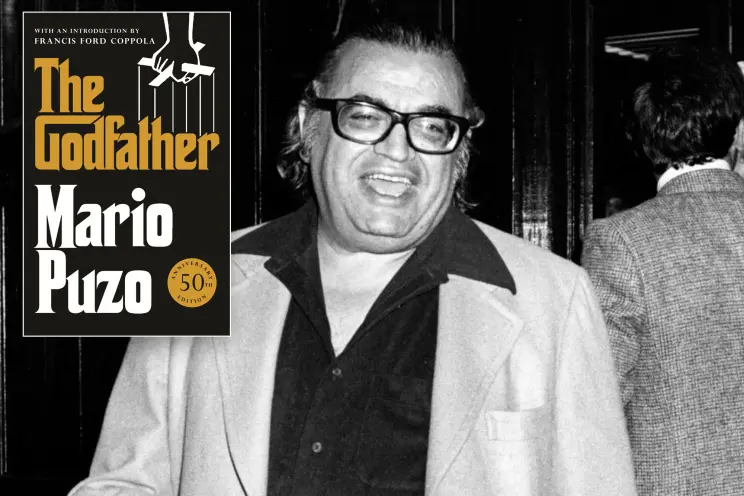
Despite the heavily documented corporate reality of the MCA buyout, the Willie Moretti Mafia rumor stubbornly refused to die. Decades later, the publication of Mario Puzo’s sensational novel The Godfather permanently cemented the myth into the bedrock of American pop culture. Puzo deliberately created the character of Johnny Fontane. He wrote him as a washed-up, heavy-drinking Italian-American crooner who uses his mob connections to win a coveted movie role.
The Assault on His Legacy
This storyline presented a clear, undeniable parallel to Sinatra winning his Academy Award for From Here to Eternity. Consequently, Frank Sinatra absolutely despised the Johnny Fontane character. He correctly viewed it as a vicious, incredibly damaging assault on his hard-won legacy. He felt Puzo was actively stripping away his genuine musical talent. He believed the author credited his massive success entirely to Mafia thuggery and intimidation.
A Simmering Rage
This specific fictionalization hurt him deeply on a personal level. He had literally risked his entire financial future to break free from Dorsey on his own terms. Now, millions of readers falsely believed a mobster had simply handed him his freedom. This simmering, deeply rooted rage ultimately culminated in a legendary, explosive public confrontation.
The Explosive Confrontation at Chasen’s
In 1970, long before the film adaptation was even released, Sinatra attended a glamorous party at Chasen’s. This establishment served as one of the most famous, exclusive restaurants in Hollywood. Mario Puzo happened to be dining at the exact same location that evening.
A Disastrous Introduction
An oblivious mutual acquaintance foolishly attempted to introduce the bestselling author to the legendary singer. The acquaintance mistakenly assumed they would enjoy meeting each other. Instead, Sinatra erupted into a terrifying, completely unvarnished rage. According to multiple shocked witnesses, Sinatra verbally decimated the author in the middle of the crowded restaurant.
Screaming Match in Hollywood
He screamed vicious profanities at Puzo for several agonizing minutes. He furiously threatened to physically beat the writer. Sinatra demanded to know if Puzo’s publishers had forced him to put the malicious, entirely fabricated Johnny Fontane garbage into the book just to sell copies. He yelled at the author to choke on his food. Puzo stood there, thoroughly humiliated and deeply shaken by the violent outburst. He eventually turned around and quickly fled the restaurant to escape the screaming singer.
The Final Verdict on the Contract Myth
Ultimately, the explosive incident at Chasen’s perfectly encapsulates the sheer tragedy of the Dorsey myth. Frank Sinatra possessed a fiercely combative personality. He undeniably associated with incredibly dangerous underworld figures throughout his later life. However, his initial rise to superstardom was absolutely not fueled by Mafia intimidation.
A Triumph of Iron Will
He broke the oppressive Tommy Dorsey contract through sheer, undeniable talent. Furthermore, he utilized massive corporate leverage and made a staggering personal financial sacrifice. He bet his entire financial future on his own vocal cords, and he ultimately won. The true story of the Dorsey buyout reveals a man who was ruthlessly determined to control his own destiny. He fought for his absolute independence from both tyrannical bandleaders and mob bosses.
Fact Over Fiction
While the myth of the gun to the head makes for phenomenal cinema, the reality of the boardroom battle stands as a far more fascinating testament. It highlights the iron will of Frank Sinatra. He did not need a Godfather to save his career. He built his empire himself, dollar by agonizing dollar, entirely on his own terms.
References: