Frank Sinatra and the Mob: The Cal Neva Lodge, Sam Giancana, and the Kennedy Fallout

Throughout his extraordinary life, Frank Sinatra fiercely desired total independence. He absolutely hated answering to casino bosses, Hollywood studio heads, or politicians. Consequently, in the early 1960s, he decided to build his own personal kingdom. He purchased a breathtaking casino resort nestled in the alpine wilderness of Lake Tahoe. This property was known as the Cal Neva Lodge. However, this beautiful sanctuary quickly became the site of his greatest public humiliation.
Ultimately, the Cal Neva Lodge represented the explosive intersection of Hollywood glamour, White House politics, and the Chicago Mafia. Sinatra’s absolute arrogance blinded him to the immense danger surrounding him. He believed he could simultaneously host the President of the United States and the most notorious mobster in America. This is the definitive, historically accurate story of the Cal Neva disaster. Furthermore, it reveals exactly how Sinatra’s deep loyalty to mob boss Sam Giancana destroyed his relationship with the Kennedys and cost him his prized Nevada gaming license.
A Casino on the Border: Building a Kingdom
By 1960, Frank Sinatra reigned as the undisputed king of American entertainment. The Rat Pack absolutely dominated Las Vegas. His record sales soared at Capitol and his newly formed Reprise Records. However, Sinatra deeply resented performing in hotels owned by other men. He wanted a sanctuary where he dictated every single rule. Therefore, he set his sights on the Cal Neva Lodge.
The Geographic Anomaly
The Cal Neva possessed a highly unique, fascinating geographic feature. The official state line separating California and Nevada ran directly through the middle of the resort. In fact, a thick white line was literally painted across the floor of the main dining room and the swimming pool. Guests could legally drink in California and simply step across the room to legally gamble in Nevada. Sinatra officially acquired a controlling interest in the property. He brought in his close friends, including Dean Martin and Hank Sanicola, as minor investors.
Rumors of a Silent Partner
Immediately, dark rumors began to circulate heavily through the entertainment industry. Whispers suggested that Sinatra did not possess the massive capital required to renovate the aging lodge alone. Consequently, federal investigators strongly suspected that Chicago Mafia boss Sam Giancana secretly provided the hidden funding. They believed Giancana operated as the true, silent partner behind the entire Cal Neva operation. While definitively proving this financial link remained difficult, Sinatra’s subsequent actions at the lodge certainly fueled the government’s intense suspicions.
The Secret Tunnels: Moving the VIPs

Sinatra poured millions of dollars into completely renovating the property. He built the legendary Celebrity Room, a state-of-the-art showroom designed specifically for his vocal acoustics. Furthermore, he constructed a series of highly secluded, luxurious chalets positioned far away from the prying eyes of the main hotel lobby. However, the most notorious architectural feature of the Cal Neva was hidden deep underground.
An Infrastructure of Secrecy
The property featured an extensive, complex network of underground tunnels. Originally built decades earlier to move liquor securely during Prohibition, Sinatra completely revitalized this subterranean maze. He heavily carpeted the tunnels and installed elegant lighting. These secret passageways directly connected the main casino floor to the private VIP chalets.
Why the Tunnels Mattered
Sinatra utilized these secret tunnels for a very specific, highly dangerous purpose. He wanted to move his most controversial guests around the property completely unseen by the general public or the press. For example, a high-ranking politician could travel from the showroom to a private party without ever crossing the casino floor. Simultaneously, a notorious underworld figure could discreetly visit the lodge without leaving a public footprint. Sinatra believed this infrastructure of secrecy made him invincible. Unfortunately, he severely underestimated the relentless surveillance of the FBI.
Sam Giancana and the Nevada Black Book
To understand the sheer magnitude of Sinatra’s looming disaster, one must deeply understand the terrifying reputation of Sam Giancana. Known in the underworld as “Mooney,” Giancana operated as the absolute, ruthless boss of the Chicago Outfit. He controlled massive, lucrative empires of illegal gambling, extortion, and narcotics. Consequently, he remained one of the top targets of the United States Department of Justice.
The Ultimate Liability
Giancana and Sinatra shared a very close, highly publicized friendship. Sinatra deeply admired Giancana’s immense power and anti-establishment defiance. Giancana, in turn, absolutely loved the glamorous, beautiful women that Sinatra frequently introduced to him. However, this friendship carried a catastrophic legal liability in the state of Nevada.
The List of Excluded Persons
The Nevada Gaming Control Board possessed a singular mission: to keep the state’s lucrative casino industry free from visible Mafia corruption. Therefore, they created the infamous “Black Book” (officially known as the List of Excluded Persons). This book contained the names and photographs of the most notorious organized crime figures in America. Sam Giancana was prominently featured on the very first page of this book.
The law surrounding the Black Book was incredibly strict and completely unforgiving. Any individual listed in the book was strictly forbidden from stepping foot inside any Nevada casino. Furthermore, if a casino owner knowingly allowed a Black Book member onto their property, the state would immediately revoke their highly lucrative gaming license. Sinatra knew this law perfectly well. Yet, his massive ego convinced him that these rules simply did not apply to the Chairman of the Board.
The Kennedy Connection: A Dangerous Triangle

While Sinatra actively courted the most dangerous mobster in America, he simultaneously embedded himself within the highest levels of the United States government. During the 1960 presidential election, Sinatra campaigned tirelessly for John F. Kennedy. He raised massive funds, organized spectacular celebrity galas, and utilized his vast union connections to secure crucial votes.
The President’s Friend
Following Kennedy’s victory, Sinatra felt incredibly powerful. He essentially viewed himself as the unofficial entertainment director of the White House. President Kennedy even visited the Cal Neva Lodge, reportedly utilizing the secret underground tunnels to enjoy discreet, highly private encounters with Hollywood actresses. Sinatra felt he had successfully merged the glittering worlds of Washington power and Hollywood royalty.
The Attorney General’s Crusade
However, a massive, unavoidable collision was rapidly approaching. President Kennedy appointed his ruthless, brilliant brother, Robert F. Kennedy, as the Attorney General. Robert Kennedy immediately launched a massive, unprecedented legal crusade against organized crime. His absolute primary target was none other than Chicago boss Sam Giancana.
The Ultimate Conflict of Interest
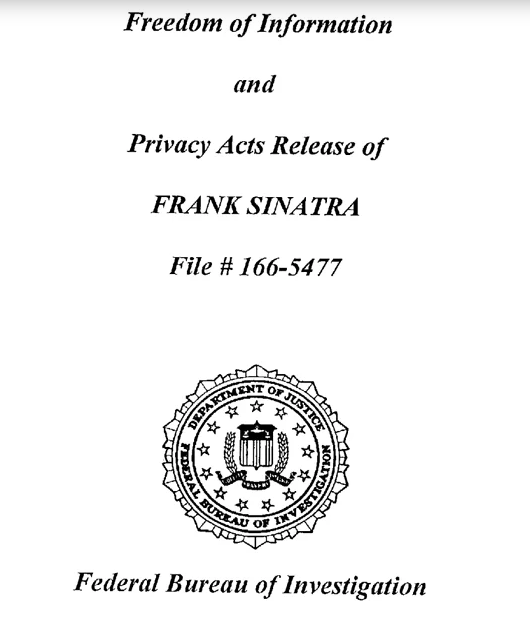
The situation quickly became a terrifying national security issue. The FBI, led by J. Edgar Hoover, wiretapped Giancana’s phones. The federal agents listened in sheer disbelief as Giancana openly bragged about his close friendship with Sinatra. Hoover quickly informed the Attorney General about this dangerous triangle. It was an absolute political nightmare. The President of the United States was actively socializing with a singer who was simultaneously fraternizing with the primary target of the Justice Department.
The Palm Springs Freeze-Out
The immense political pressure eventually reached a tragic breaking point for Sinatra. In early 1962, President Kennedy scheduled a highly anticipated trip to the West Coast. Sinatra enthusiastically planned to host the President at his luxurious, sprawling compound in Palm Springs. Sinatra obsessed over the preparations.
Building for the President
He spent a massive fortune renovating his home. He ordered the construction of specialized guest cottages to house the Secret Service. Furthermore, he poured fresh concrete to build a massive, private helipad specifically for the presidential helicopter, Marine One. Sinatra proudly installed a flagpole and purchased a presidential seal to display upon Kennedy’s arrival. He viewed this upcoming visit as the ultimate validation of his entire life.
The Devastating Phone Call
Just days before the scheduled arrival, the White House abruptly canceled the visit. Attorney General Robert Kennedy definitively warned his brother that staying at Sinatra’s house represented an unacceptable political risk. The FBI files regarding Sinatra’s mob connections were simply too toxic. Actor Peter Lawford (JFK’s brother-in-law) was forced to make the devastating phone call. Lawford informed Sinatra that the President would instead stay at the nearby home of Bing Crosby—a conservative Republican.
The Concrete Sledgehammer
Sinatra’s reaction was absolutely volcanic. He felt deeply, profoundly betrayed. According to multiple historical accounts, a furious, heartbroken Sinatra grabbed a heavy sledgehammer. He marched outside and violently smashed the newly poured concrete helipad into hundreds of pieces. The Palm Springs freeze-out permanently severed his close relationship with the Kennedys. Furthermore, it left Sinatra feeling incredibly bitter, deeply isolated, and highly volatile.
The Summer of 1963: The Trap Closes at Cal Neva

By the summer of 1963, Sinatra’s mood was incredibly dark. He retreated to the Cal Neva Lodge, surrounding himself with his most loyal, protective associates. During this tense period, he made a catastrophic, unbelievably arrogant decision. He invited Sam Giancana to stay at the resort.
A Notorious Romance
Giancana did not travel to Lake Tahoe alone. He arrived to visit his glamorous girlfriend, Phyllis McGuire, the lead singer of the famous McGuire Sisters. Phyllis was currently headlining the entertainment schedule at the Cal Neva showroom. Giancana stayed quietly in strictly guarded Chalet Number 50, utilizing the secret underground tunnels to visit Phyllis without crossing the casino floor.
The Chalet Altercation
Sinatra firmly believed he had outsmarted the authorities. However, the FBI maintained intense, round-the-clock surveillance on Giancana. Furthermore, Giancana was notoriously hot-tempered. One evening, a massive, violent domestic dispute erupted between Giancana and Phyllis McGuire inside her chalet. The screaming and breaking of furniture drew immediate attention from the resort staff. The cover was entirely blown.
Federal agents and investigators from the Nevada Gaming Control Board quickly confirmed Giancana’s physical presence on the property. The exact scenario that the Black Book strictly prohibited had just occurred in spectacular fashion. The trap had finally closed on Frank Sinatra.
The Phone Call That Cost an Empire
When the Nevada Gaming Control Board officially launched their investigation, Sinatra did not apologize. He did not attempt to calmly explain the situation. Instead, he reacted with the same blind, furious rage that destroyed the Palm Springs helipad. He viewed the state investigators as minor bureaucrats who dared to challenge his ultimate authority.
Confronting Ed Olsen
The chairman of the Gaming Control Board, Ed Olsen, formally requested an interview with Sinatra regarding Giancana’s undeniable presence. Sinatra outright refused to cooperate. Then, Sinatra made a fatal tactical error. He picked up the telephone and directly called Ed Olsen at his private home.
The Profanity-Laced Explosion
According to the official transcripts and Olsen’s later testimony, Sinatra delivered a terrifying, profanity-laced tirade. He screamed viciously at the chairman. He threatened Olsen with severe physical violence and massive legal retaliation. Sinatra arrogantly declared that he ran the state of Nevada and that no minor gaming official would dictate who he could invite to his own hotel. He specifically threatened to destroy Olsen’s career and bury the gaming board in endless, expensive litigation.
The State Strikes Back
Olsen, however, remained completely terrified but steadfast. He quickly realized that Sinatra’s explosive, deeply unhinged phone call provided the exact ammunition the state needed. Olsen officially filed a formal complaint. He moved to immediately completely revoke Frank Sinatra’s Nevada gaming license. The charges included knowingly hosting a banned underworld figure and utilizing vile, threatening language against a state official.
The Ultimate Surrender
Suddenly, the brilliant Chairman of the Board found himself completely cornered. His high-priced corporate lawyers quickly analyzed the dire situation. They delivered devastating news. Sinatra simply could not win this specific battle. The state possessed undeniable, concrete proof of Giancana’s presence. Furthermore, Olsen’s detailed documentation of the threatening phone call was absolutely damning.
Avoiding Public Humiliation
If Sinatra chose to fight the charges, the state promised a massive, highly public hearing. During this hearing, the prosecutors would force Sinatra to testify under oath regarding his lifelong, deep connections to the Mafia. They would drag his entire history with Lucky Luciano, the Fischetti brothers, and Willie Moretti into the harsh spotlight.
Relinquishing the Crown
To avoid this catastrophic public humiliation, Sinatra completely surrendered. In October 1963, he officially voluntarily relinquished his highly prized Nevada gaming license. He was forced to immediately sell his controlling interest in the Cal Neva Lodge. Furthermore, he had to sell his lucrative financial stakes in the Sands Hotel in Las Vegas.
The loss of the Cal Neva Lodge represented a massive, deeply painful defeat. Sinatra had built a beautiful kingdom, only to lose it entirely due to his own blinding arrogance and toxic loyalties. The secret tunnels eventually went dark, and the Chairman was permanently forced out of the casino business. He would not officially regain his gaming license until a massive, highly publicized legal battle nearly two decades later in 1981. The Lake Tahoe disaster remains the most glaring, undeniable proof of the immense cost of his underworld friendships.
References: