Frank Sinatra’s FBI Files: J. Edgar Hoover’s Decades-Long Obsession
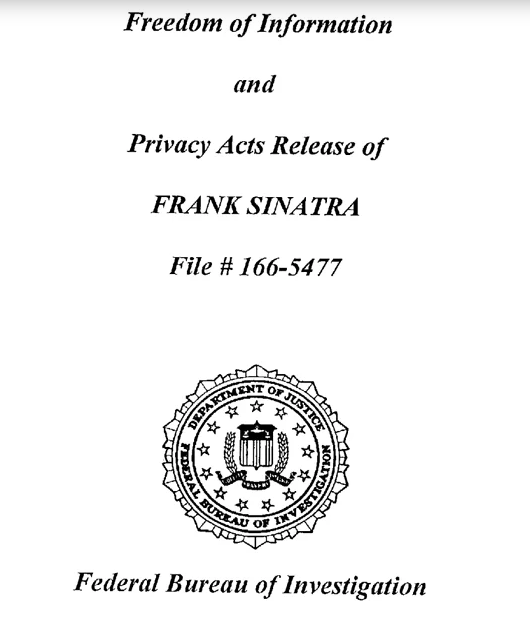
The United States government kept a massive, heavily guarded secret during the twentieth century. It was not a classified military weapon or a foreign espionage code. Instead, it was a sprawling, multi-thousand-page dossier on a popular singer. For nearly five decades, the Federal Bureau of Investigation relentlessly tracked Frank Sinatra. Under the strict direction of J. Edgar Hoover, federal agents monitored the entertainer’s every single move. They wiretapped his close associates. They documented his private flights. Furthermore, they interviewed his enemies.
Consequently, the FBI amassed a staggering 2,400 pages of highly sensitive documents regarding the Chairman of the Board. Modern historians frequently marvel at the sheer scale of this surveillance operation. To understand this unprecedented government scrutiny, we must examine the dark origins of the investigation. Ultimately, the story of Frank Sinatra’s FBI file is not just about organized crime. It reveals a deeply personal, fiercely vindictive obsession harbored by the most powerful law enforcement officer in American history.
The Origins of the Obsession: The World War II Draft
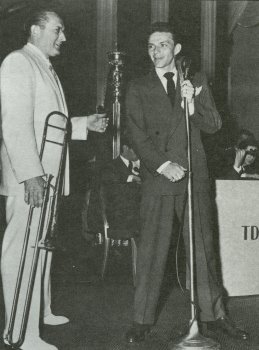
The federal government did not initially target Sinatra for mob connections. Instead, the intense scrutiny began with a fierce national debate regarding his patriotism. During World War II, millions of young American men deployed overseas to fight. Meanwhile, Frank Sinatra remained safely at home. He sang on the radio and earned astronomical sums of money. Consequently, a bitter, highly vocal segment of the American public grew intensely resentful.
The Medical Exemption
In 1943, the military officially classified Sinatra as 4-F, meaning he was physically unfit for military service. He possessed a severely punctured left eardrum resulting from his traumatic forceps birth. Furthermore, military doctors noted his extreme emotional instability. However, the public did not readily accept these medical explanations. Angry citizens flooded the FBI headquarters with furious letters. They openly accused the wealthy singer of illegally bribing his local draft board.
The Rumors of Bribery
One persistent, completely unsubstantiated rumor claimed Sinatra paid a massive forty-thousand-dollar bribe to completely avoid the draft. J. Edgar Hoover immediately seized upon these public complaints. He officially ordered federal agents to launch a thorough, aggressive investigation into Sinatra’s military classification. The FBI interviewed doctors, local politicians, and neighborhood associates in New Jersey. Ultimately, the agents found absolutely zero evidence of draft dodging or bribery.
Hoover Refuses to Close the Book
The medical exemption was entirely legitimate. Therefore, the Bureau officially cleared Sinatra of any wrongdoing regarding his draft status. Normal investigative protocol dictated that the FBI should immediately close the file. However, J. Edgar Hoover explicitly refused to shut the case. He had developed a deep, visceral distaste for the young singer. Hoover viewed Sinatra as an arrogant, highly corrupting influence on traditional American youth. Consequently, he ordered his agents to keep the massive file open indefinitely. The lifelong hunt had officially begun.
The Turning Point: The 1947 Havana Summit

For several years, the FBI file merely collected minor gossip and unfounded tips. Then, a massive public scandal completely changed the trajectory of the investigation. In February 1947, Sinatra traveled to Havana, Cuba. There, he openly socialized with the exiled architect of the American Mafia, Charles “Lucky” Luciano. He also rubbed elbows with the notorious Fischetti brothers, who were direct heirs to Al Capone.
Gathering the Ammunition
Syndicated columnist Robert Ruark exposed this shocking underworld gathering in the national press. When Hoover read the explosive newspaper headlines, he found the exact ammunition he desperately craved. The Havana summit provided the FBI Director with a legitimate, highly visible excuse to escalate the investigation. Sinatra was no longer just a draft-dodging suspect in Hoover’s eyes. He now represented a dangerous, highly influential celebrity actively fraternizing with the nation’s most lethal enemies.
Hoover Takes Direct Control
Hoover immediately directed his top field agents to aggressively expand their surveillance operations. He wanted every single rumor regarding Sinatra’s mob ties meticulously documented. The FBI began systematically collecting reports from confidential informants heavily embedded within the entertainment industry. They tracked Sinatra’s massive casino investments. Furthermore, they monitored his frequent, late-night meetings with known underworld figures. The singer had recklessly stepped directly into Hoover’s formidable crosshairs.
A Campaign of Relentless Surveillance
During the 1950s and 1960s, the FBI surveillance campaign reached an astonishing level of intensity. The Bureau treated the beloved entertainer like a top-tier national security threat. Federal agents constantly trailed Sinatra across the country. They noted his arrivals at luxury hotels in Las Vegas, Miami, and New York. Moreover, they meticulously recorded the names of the glamorous women who accompanied him.
Infiltrating the Inner Circle
Hoover fiercely demanded actionable intelligence. Therefore, agents actively sought to infiltrate Sinatra’s famously fiercely loyal inner circle. They frequently interviewed disgruntled former employees, rival bandleaders, and jealous casino executives. The resulting FBI reports were often a bizarre mixture of hard facts and wild, unverified gossip. Informants claimed Sinatra acted as a secret financial courier for the Chicago Outfit. Others alleged he held hidden, illegal ownership stakes in massive Nevada casinos.
The Wiretaps and Listening Devices
To gather concrete evidence, the FBI heavily relied on electronic surveillance. Agents successfully installed hidden wiretaps on the private telephones of Sinatra’s closest associates. They listened to countless hours of private conversations. For example, the FBI intensely monitored the phone lines of Chicago mob boss Sam Giancana. During these illegal wiretaps, agents frequently heard Giancana openly bragging about his close, personal friendship with the famous singer. Every single recorded mention of Sinatra’s name went directly into the swelling, massive file in Washington.
Extortion Attempts and FBI Reluctance
The FBI file does not merely document Sinatra’s alleged crimes. Surprisingly, it also extensively chronicles his absolute vulnerability. Because of his immense wealth and highly publicized underworld ties, Sinatra frequently became a prime target for desperate criminals. Throughout his career, he faced numerous, terrifying extortion attempts.
Sinatra as a Victim
Anonymous individuals constantly sent him violent, threatening letters. They fiercely demanded massive cash payments. They threatened to physically harm him or publicly expose damaging, fabricated secrets. Furthermore, they frequently threatened the physical safety of his children. When these terrifying threats occurred, Sinatra’s lawyers immediately contacted the authorities. They formally requested federal assistance to track down the violent extortionists.
Hoover’s Lack of Sympathy
However, J. Edgar Hoover often displayed a shocking, deliberate lack of sympathy. He actively instructed his agents to handle Sinatra’s extortion cases with extreme reluctance. Hoover privately believed that Sinatra completely brought these severe problems upon himself. He felt that if the singer chose to associate with violent thugs, he deserved the dangerous consequences. Consequently, the FBI often dragged its feet during these specific investigations. They prioritized building a criminal case against the singer rather than actively protecting him from genuine harm.
Weaponizing the File: The Kennedy Freeze-Out
By the early 1960s, the massive FBI file contained thousands of highly damaging pages. J. Edgar Hoover possessed an incredible, unprecedented weapon. Soon, he found the perfect, devastating opportunity to use it. During the 1960 presidential election, Sinatra became incredibly close to John F. Kennedy. Following Kennedy’s victory, Sinatra essentially viewed himself as a powerful Washington insider.
Warning the White House
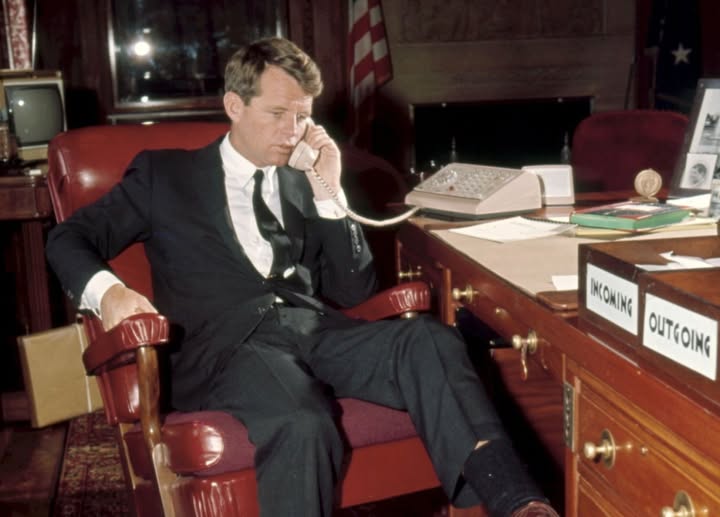
Hoover absolutely despised this glamorous, powerful alliance. He firmly believed the President of the United States should never associate with a man linked to the Mafia. Therefore, Hoover took decisive, ruthless action. He compiled the most damaging, highly classified reports from Sinatra’s massive file. He then personally delivered this explosive dossier directly to Attorney General Robert F. Kennedy.
The Ultimate Political Destruction
The detailed FBI reports absolutely horrified the Attorney General. The documents concretely proved that Sinatra was simultaneously socializing with the President and hosting Chicago mob boss Sam Giancana. Consequently, Robert Kennedy immediately ordered his brother to sever all ties with the singer. This specific intervention directly caused the infamous Palm Springs freeze-out. The White House abruptly canceled a highly anticipated presidential visit to Sinatra’s home. Hoover had successfully weaponized the secret file to completely destroy Sinatra’s ultimate political dreams.
Decades of Investigation, Zero Indictments
The FBI aggressively pursued Frank Sinatra for almost fifty consecutive years. They spent millions of taxpayer dollars tracking his movements. They compiled a staggering 2,400 pages of detailed, often highly intrusive reports. Yet, this massive, relentless government crusade ultimately ended in complete failure.
Surviving the Scrutiny
Despite the wiretaps, the informants, and Hoover’s personal, burning hatred, the results remain undeniable. The Federal Bureau of Investigation never once successfully indicted Frank Sinatra for a single criminal offense. They never found definitive, concrete proof that he acted as a mob courier. They never proved he illegally laundered syndicate money. He navigated the most intense, prolonged federal scrutiny in American entertainment history and emerged completely legally unscathed.
The Freedom of Information Act
Following J. Edgar Hoover’s death and Sinatra’s eventual passing in 1998, the government finally released the massive file to the public. Under the Freedom of Information Act, historians eagerly examined the legendary documents. They expected to find explosive, undeniable proof of massive criminal conspiracies.
Instead, they largely found a testament to government paranoia. The file reveals a massive collection of unverified gossip, petty grievances, and extensive media clippings. Ultimately, the Sinatra FBI file says far less about the singer’s actual criminal guilt. Rather, it speaks volumes about the terrifying, unchecked power of J. Edgar Hoover. Frank Sinatra outlived his greatest federal enemy, leaving behind a musical legacy that no government file could ever destroy.
References: