Frank Sinatra’s Dorsey Contract: The 43 Percent Trap That Almost Destroyed Him
The American public fundamentally misunderstands the early career of Frank Sinatra. Modern audiences frequently assume that his initial rise to superstardom brought immediate, massive wealth. However, historical reality presents a vastly different, deeply terrifying picture. In the early 1940s, Sinatra reigned as the undisputed king of pop music. Millions of hysterical fans bought his records. Yet, behind closed doors, the most famous singer in America was essentially broke. Furthermore, he was legally bound to one of the most exploitative, predatory contracts in the history of the entertainment industry. Consequently, to understand the fierce, lifelong defensive posture of the Chairman of the Board, we must examine the paperwork that nearly destroyed him. This is the definitive story of the Tommy Dorsey contract. Ultimately, it was a legal trap that demanded forty-three percent of Sinatra’s lifetime earnings.
The Illusion of the “Sentimental Gentleman”
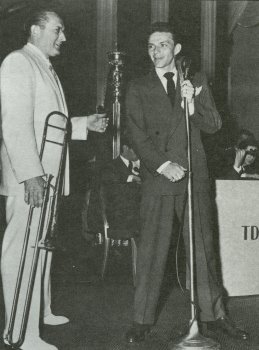
To comprehend this disastrous legal agreement, one must first understand the man who drafted it. Bandleader Tommy Dorsey cultivated a highly polished, elegant public image. The press affectionately dubbed him the “Sentimental Gentleman of Swing.” He played the trombone with breathtaking, lyrical beauty. Audiences across the country adored his smooth, sophisticated sound. However, behind the scenes, Dorsey operated as a completely different, terrifying entity.
A Ruthless Businessman
Dorsey was a brilliant, fiercely competitive, and notoriously ruthless businessman. He ran his famous orchestra with an iron fist. Specifically, he functioned as a strict authoritarian who demanded absolute perfection from his musicians. Moreover, he frequently levied heavy financial fines against his band members for incredibly minor infractions. For example, a dirty uniform or a missed note could cost a musician a full week’s salary. Therefore, his employees feared him immensely.
The Transfer from Harry James
In late 1939, Dorsey noticed the rising popularity of a skinny young singer fronting the Harry James Orchestra. Sinatra had recently signed with James, but the band was struggling financially. Dorsey recognized Sinatra’s undeniable, raw talent immediately. Consequently, he made a strategic move. Dorsey possessed immense financial capital and immense industry leverage. He approached Harry James and offered to take the young singer off his hands. James, recognizing that he could not afford to pay Sinatra properly anyway, graciously ripped up his own contract. He allowed Frank to leave without a fight. Unfortunately, Sinatra was merely trading a struggling boss for a corporate tyrant.
Signing the Devil’s Bargain
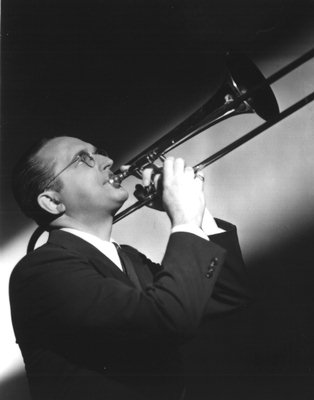
Frank Sinatra eagerly jumped at the life-changing opportunity to join the Tommy Dorsey Orchestra. In 1940, joining Dorsey represented the absolute pinnacle of the big band industry. However, Sinatra’s blinding ambition completely clouded his business judgment. When Dorsey presented the new employment contract, Sinatra signed it immediately. He did not hire aggressive legal counsel to review the terms. He simply wanted the microphone.
The Staggering Terms
The specific terms of this standard industry agreement were staggering by modern standards. First, the document legally entitled Tommy Dorsey to a massive thirty-three and one-third percent of Frank Sinatra’s gross earnings. Crucially, this percentage applied to his entire income in the entertainment industry. It covered radio broadcasts, live performances, and record sales. Furthermore, this financial mandate did not apply merely to his tenure within the band. The contract explicitly stated that Dorsey owned this massive percentage for the rest of Sinatra’s natural life.
Leonard Vannerson’s Ten Percent
The intense financial bleeding certainly did not stop there. Dorsey also owned a very lucrative management company. His close associate, Leonard Vannerson, strictly managed this agency. The contract stipulated that Sinatra owed an additional ten percent of his lifetime earnings directly to Vannerson’s agency. Therefore, the mathematics were brutal and undeniable. Before Sinatra even paid his own taxes, forty-three and one-third percent of his gross income belonged entirely to the Dorsey machine.
The Trap Closes
Frank was now completely legally trapped. He could not record a solo album without Dorsey getting paid. He could not star in a Hollywood movie without surrendering almost half his money. Furthermore, he could not sing on a national radio broadcast without enriching a man he was slowly beginning to despise. Initially, Sinatra did not grasp the catastrophic weight of these terms. He was simply thrilled to be singing for the biggest band in America. However, reality soon crashed down upon him.
Broke at the Top of the World
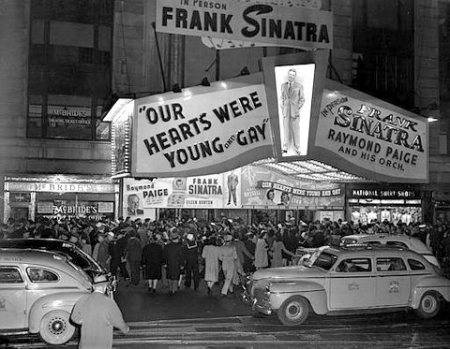
As 1940 bled into 1941, Sinatra’s popularity suddenly exploded. The bobby-soxers began swarming theaters solely to see the singer. They screamed hysterically and fainted in the aisles. Sinatra was generating millions of dollars in revenue for the Dorsey organization. Record sales skyrocketed to unprecedented heights. Yet, the singer’s personal bank account remained shockingly empty.
Providing for Nancy
The emotional and financial toll on Frank was immense. He was a deeply traditional Italian-American man who desperately wanted to provide for his family. He had married his childhood sweetheart, Nancy Barbato, and they had recently welcomed their first child, Nancy Jr. They lived in a modest apartment in Jersey City. Frank wanted to buy them a beautiful home. He wanted to shower his wife with the luxuries she deserved. Instead, he constantly struggled to make basic ends meet.
The Hidden Costs of Fame
The public perceived Sinatra as a wealthy, glamorous superstar. The reality was utterly humiliating. Out of the remaining fifty-six percent of his income, Frank had to pay exorbitant hidden costs. He had to purchase expensive, custom-tailored suits to maintain his glamorous image. He had to pay his own travel expenses when navigating between gigs. Furthermore, he heavily tipped the musicians and stagehands to ensure their loyalty. Consequently, after Dorsey took his cut and the IRS took their share, Sinatra took home pennies on the dollar.
The Ultimate Humiliation
The situation bred intense, burning resentment. Sinatra knew he was the primary reason the Dorsey band was selling out theaters across the country. He felt entirely responsible for the massive surge in ticket sales. Yet, Dorsey treated him like a highly replaceable, indentured servant. During one particularly humiliating episode, Sinatra asked Dorsey for a small financial advance to cover medical bills for his young daughter. Dorsey coldly refused. He reminded the singer that he was merely an employee. This brutal rejection permanently fractured their relationship. It ignited a fierce, burning desire within Sinatra to completely sever ties.
A Vicious Clash of Egos
The financial exploitation was only one part of the escalating war. A massive, unavoidable clash of egos further accelerated the crisis. Tommy Dorsey was an incredibly proud, famously hot-tempered man. He had spent decades painstakingly building his musical empire. He fully expected to remain the absolute center of attention at all times.
The Bobby-Soxer Rebellion
However, the audience had fundamentally changed. The teenage girls who packed the Paramount Theater did not care about Dorsey’s brilliant trombone solos. They actively talked and yelled right through the band’s instrumental numbers. They only wanted to hear “The Voice.” When Sinatra approached the microphone, the theater erupted into deafening screams. Consequently, Dorsey felt intensely humiliated on his own stage. He deeply resented the young singer for stealing his hard-earned spotlight.
The Sabotage Attempts
Dorsey reacted to this immense loss of control with petty, vindictive sabotage. He purposefully altered the nightly setlists to feature fewer vocal numbers. He forced Sinatra to sit idly on the bandstand for long stretches of time. Furthermore, Dorsey actively berated Sinatra during rehearsals, attempting to break the young man’s soaring confidence. However, these aggressive tactics backfired completely. The hostility only hardened Sinatra’s absolute resolve. He realized that remaining with Dorsey would ultimately stifle his immense artistic potential. He desperately needed to go solo.
The Breaking Point: Preparing for War
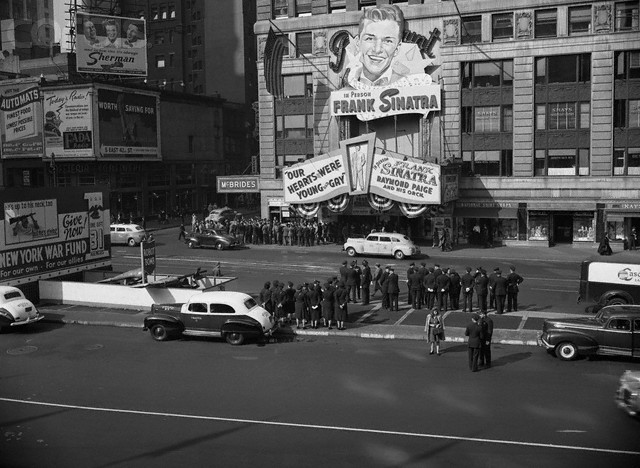
By mid-1942, the tension had reached an absolute boiling point. Sinatra could no longer endure the financial strangulation or the daily emotional abuse. He approached his boss to request a peaceful, amicable departure. He hoped Dorsey would recognize his contribution to the band and let him walk away freely.
Dorsey’s Absolute Refusal
Sinatra severely miscalculated. Tommy Dorsey outright refused to let his star attraction leave the orchestra. He coldly reminded Sinatra of the ironclad legal contract. Dorsey declared that if Frank attempted to sing anywhere else, he would immediately sue him for breach of contract. Furthermore, he threatened to legally confiscate forty-three percent of every single dollar Sinatra earned for the rest of his life. Dorsey possessed the best corporate lawyers in New York City. He was fully prepared to destroy Sinatra’s solo career before it even started.
The Search for an Exit
This desperate, seemingly inescapable legal trap pushed Sinatra to the absolute brink. He felt completely cornered. The public desperately wanted him, but the law strictly bound him to a tyrant. Therefore, Sinatra realized he could not fight this battle alone. He needed massive, overwhelming firepower to break the grip of the Dorsey machine. He began searching desperately for an exit strategy.
Setting the Stage for the Buyout
Consequently, this agonizing standstill birthed the greatest myths of Sinatra’s entire career. Rumors soon began to circulate wildly through the entertainment industry. People whispered that Sinatra was reaching out to violent underworld figures for salvation. They claimed he would use Mafia muscle to break the legal chains. However, the true weapon he eventually deployed was far more sophisticated than a loaded revolver. He was about to enlist the most ruthless corporate entity in Hollywood to fight his war. The battle for Frank Sinatra’s absolute freedom was just beginning.
References: