Frank Sinatra and the Mob: The Kefauver Committee and the 1981 Gaming Hearings
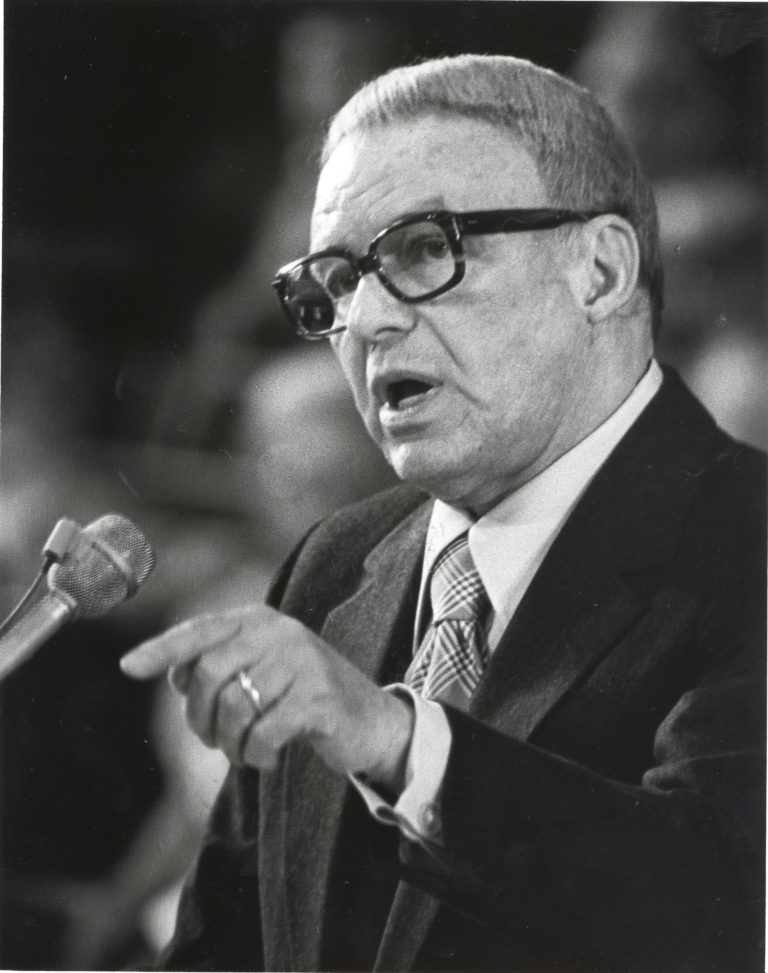
Frank Sinatra fiercely defied authority throughout his entire, monumental life. However, the United States government repeatedly forced the legendary singer to answer for his dangerous underworld associations. Over the span of thirty years, Sinatra faced two highly stressful, intensely public legal inquisitions. First, he secretly testified before the terrifying Kefauver Committee in the early 1950s. Decades later, he staged a massive legal battle in 1981 to reclaim his revoked Nevada gaming license.
Consequently, these two historic hearings perfectly illustrate the complete evolution of his absolute power. They reveal exactly how a terrified young pop star eventually transformed into the untouchable Chairman of the Board. This is the definitive story of Sinatra’s greatest legal showdowns. Ultimately, it demonstrates how he successfully defeated the federal government and fully reclaimed his glittering Vegas empire.
The 1950 Kefauver Committee: The Syndicate Investigation
In 1950, Senator Estes Kefauver launched a massive, unprecedented federal investigation into organized crime. The powerful committee traveled across the country holding explosive, widely televised public hearings. Consequently, millions of fascinated Americans watched notorious Mafia bosses nervously testify. The committee desperately wanted to expose the hidden, lucrative financial links between legitimate businesses and the criminal underworld. Naturally, Frank Sinatra’s famous name quickly surfaced in their sprawling, aggressive investigation.
The Chief Counsel’s Target
Rudolph Halley served as the incredibly sharp, relentless chief counsel for the committee. Halley possessed deep, highly specific suspicions regarding Sinatra’s highly publicized 1947 trip to the Havana Summit. Furthermore, he desperately wanted to question the singer about his close, lifelong friendships with New Jersey mobsters like Willie Moretti. Therefore, the committee officially subpoenaed the entertainer.
A Terrified Superstar
Sinatra panicked immediately upon receiving the federal summons. His musical career was already suffering a brutal, devastating slump. He correctly knew a public, heavily televised interrogation would completely destroy his wholesome, all-American public image. Consequently, his powerful corporate lawyers quickly intervened. They negotiated a highly unusual, deeply secretive compromise with the government.
The Secret Midnight Testimony
On March 1, 1951, Sinatra arrived at the committee’s busy offices in New York City. However, he arrived at exactly 4:00 AM. He purposely testified in the absolute dead of night to successfully avoid the massive, waiting press corps. The atmosphere inside the dimly lit room felt incredibly tense and highly intimidating.
Dodging the Havana Questions
During the pre-dawn interrogation, Rudolph Halley sharply questioned Sinatra about his extensive underworld ties. He specifically interrogated him regarding his infamous, heavily scrutinized trip to Cuba. Investigators aggressively demanded to know why he spent considerable time with Charles “Lucky” Luciano. Sinatra relied entirely on a carefully crafted, highly rehearsed defense of absolute ignorance. He calmly testified that he hardly knew the dangerous men in question. He claimed he merely shook their hands in crowded, public restaurants out of simple politeness.
The Gold Cigarette Case
Halley specifically asked Sinatra about the legendary gold cigarette case. Rumors insisted Sinatra had gifted this expensive item to Luciano in Havana. Sinatra flatly denied the accusation. He stated firmly that he never presented the exiled kingpin with any such gift. Furthermore, the committee pressed him relentlessly about the Fischetti brothers. Investigators knew these men operated as direct, lethal heirs to Al Capone’s Chicago Outfit.
The Fischetti Brother Excuse
Sinatra smoothly deflected the aggressive questions. He claimed he only knew Joe Fischetti as a legitimate, hardworking talent agent. He flatly denied having any knowledge of their massive, illegal gambling empires. Ultimately, Sinatra survived the secret Kefauver hearing without facing any criminal perjury charges. However, the official transcript eventually leaked to the national press. Consequently, the lingering stench of Mafia fraternization continued to deeply damage his heavily struggling career for several more years.
The Westchester Premier Theatre Scandal
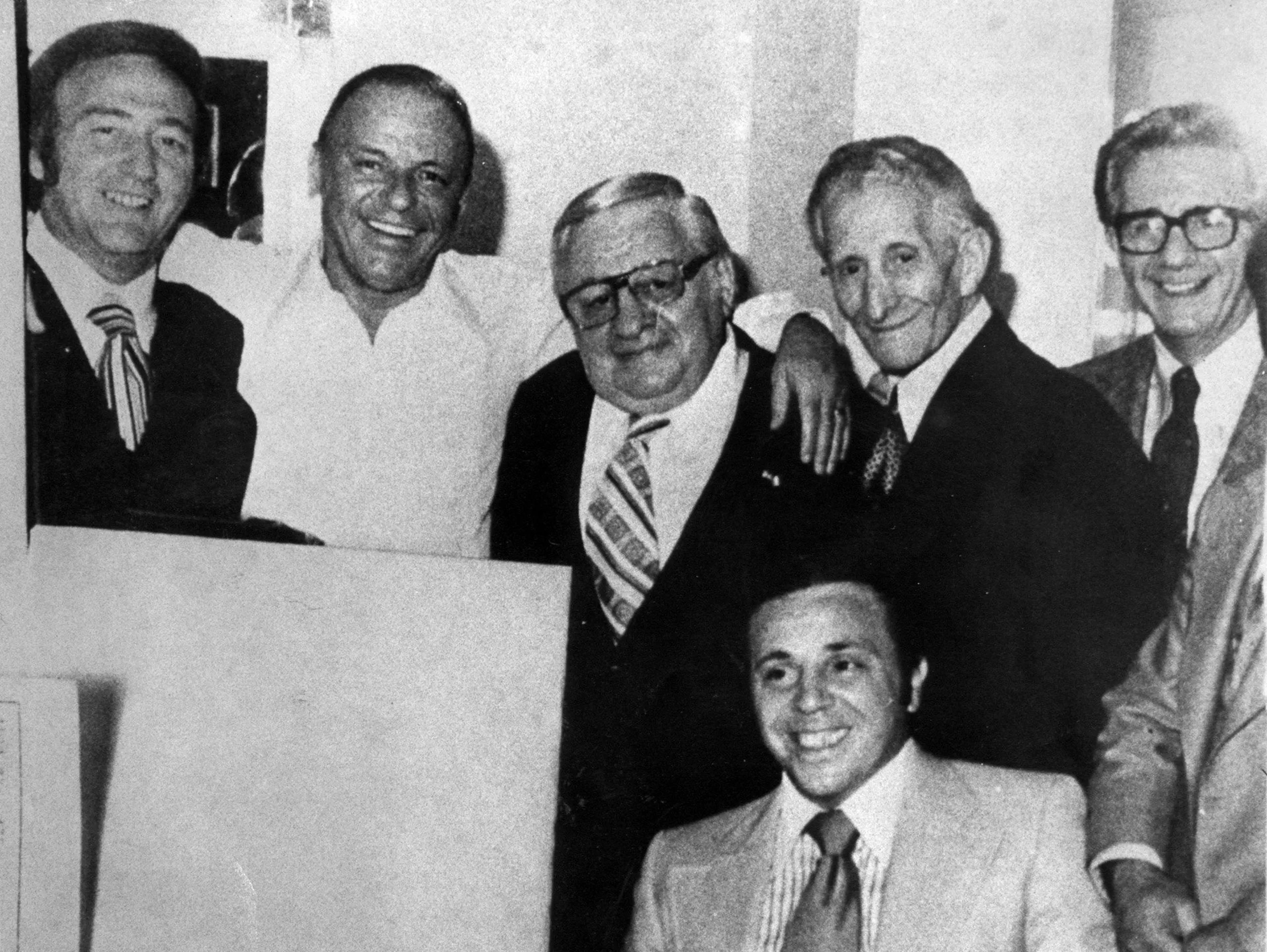
Fast forward to the late 1970s. Sinatra had miraculously resurrected his legendary career and completely regained his absolute superstardom. However, his incredibly toxic mob loyalties continued to brutally haunt him. In 1976, he performed a series of highly lucrative concerts at the Westchester Premier Theatre in New York. Backstage, an eager photographer snapped an incredibly damning, highly controversial picture.
A Cast of Criminals
The photograph showed a smiling, relaxed Frank Sinatra posing happily with a large group of men. These men were certainly not minor, insignificant neighborhood thugs. The group prominently included Carlo Gambino, the absolute “boss of bosses” of the powerful New York syndicate. Furthermore, the photo clearly featured Jimmy “The Weasel” Fratianno, a highly dangerous, prolific Mafia hitman.
The Financial Skimming Operation
Later, the FBI made a massive, terrifying discovery. Federal agents proved that the theater’s upper management actively operated a massive, complex financial skimming operation. They specifically used Sinatra’s massive star power to draw huge crowds, and then illegally skimmed the massive cash profits directly to the mob. The explosive Westchester photograph soon splashed across national newspapers. Once again, Sinatra found himself directly, visually linked to the darkest elements of organized crime.
The Missing Decades: Exiled from the Casinos
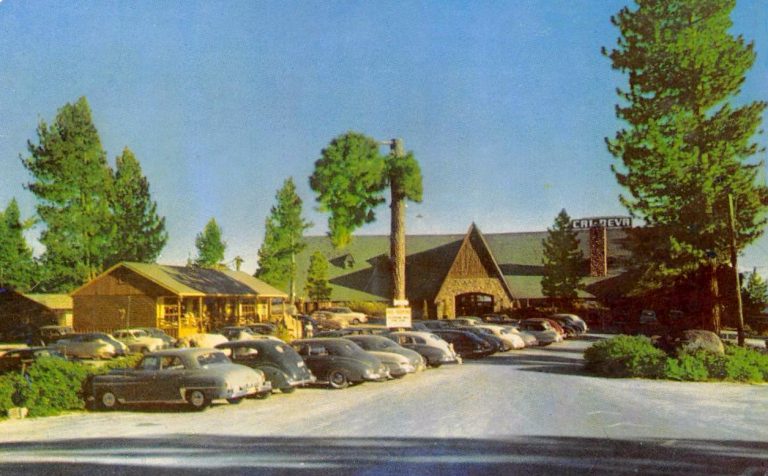
This renewed, highly public scandal severely complicated Sinatra’s ultimate, deeply personal financial goal. Back in 1963, Sinatra had voluntarily surrendered his highly lucrative Nevada gaming license. He relinquished the license solely to avoid a massive state investigation. The state fiercely wanted to prosecute his disastrous decision to host banned Chicago boss Sam Giancana at the Cal Neva Lodge.
Two Decades in Exile
Consequently, the state of Nevada effectively exiled the Chairman of the Board from casino ownership. This incredibly painful exile lasted for nearly two decades. Sinatra absolutely hated this lingering, highly humiliating legal stain on his legacy. He performed constantly in Las Vegas, generating millions of dollars in massive revenue for the city. Yet, he could not legally own a single, profitable share of any casino property.
A Burning Desire for Redemption
By 1981, he possessed a burning, fierce desire for ultimate public redemption. He desperately wanted his gaming license back. He wanted to officially consult for the luxurious Caesars Palace. Furthermore, the proposed consulting contract guaranteed him a staggering two million dollars a year. Therefore, he decided to boldly face the terrifying Nevada Gaming Control Board once again.
Changing Political Winds and Powerful Friends
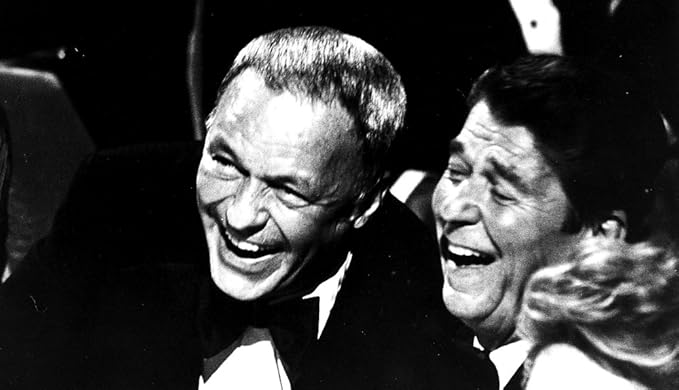
Sinatra understood completely that regaining his license required immense, undeniable political leverage. Fortunately, the political winds had shifted dramatically in his absolute favor. During the 1980 election, Sinatra heavily campaigned for his close, personal friend, Ronald Reagan. Following Reagan’s massive, landslide presidential victory, Sinatra orchestrated the spectacular inaugural gala in Washington.
The Presidential Endorsement
He now possessed direct, completely undeniable ties to the Oval Office. Consequently, the Nevada gaming officials fully understood the massive political reality. They were not merely questioning a popular singer. They were actively interrogating the President’s closest, most powerful celebrity ally. In fact, Sinatra boldly submitted glowing, highly official letters of recommendation from both President Ronald Reagan and former President Gerald Ford.
The Legal Dream Team
Sinatra firmly refused to enter this dangerous battle unprepared. He immediately assembled a massive, highly expensive legal dream team. He hired Harry Claiborne, one of the most brilliant, fearsome defense attorneys in the entire country. Claiborne meticulously prepared Sinatra for the grueling, highly public interrogation. They spent countless hours rehearsing his exact, carefully worded answers. They meticulously reviewed decades of massive FBI files, old media clippings, and the ancient Kefauver transcripts. Sinatra felt completely determined to permanently crush the vicious mob rumors.
The 1981 Gaming Hearings: Facing the Board
On February 11, 1981, Frank Sinatra confidently entered the crowded, highly illuminated hearing room in Las Vegas. The media circus was absolutely staggering. Hundreds of reporters tightly packed the room to witness the historic, highly anticipated showdown. The gaming board immediately confronted Sinatra with his massive, incredibly controversial FBI file.
Confronting the Giancana Rumors
The board relentlessly questioned him about his deeply documented, highly publicized friendships. They specifically focused on Chicago boss Sam Giancana. Sinatra remained incredibly poised, highly articulate, and fiercely defiant. He absolutely refused to apologize for his past associations. However, he cleverly minimized the actual depth of those specific relationships. He testified that he certainly knew Giancana, but he firmly denied ever engaging in any illegal business deals with the mobster.
Defending the Westchester Photograph
Furthermore, the board fiercely interrogated him regarding the infamous Westchester Premier Theatre photograph. Sinatra utilized the exact same legal defense he successfully deployed during the 1951 Kefauver hearings. He smoothly claimed absolute, total ignorance. Regarding the damning Westchester photograph, he testified calmly that he possessed absolutely no idea who the men were.
The Backstage Excuse
Sinatra stated that excited, enthusiastic fans frequently rushed backstage to take quick pictures. He argued passionately that he simply could not demand a full FBI background check from every single fan who requested a photograph. He portrayed himself as a gracious, highly accommodating entertainer who unfortunately fell victim to manipulative, hidden criminals. His confident, highly rehearsed performance completely dominated the massive hearing.
The Ultimate Victory and a Restored Legacy
His brilliant lawyers aggressively dismantled the state’s aging, highly circumstantial evidence. They successfully argued that the massive FBI files consisted entirely of unverified rumors. They dismissed the documents as malicious, completely unfounded government gossip. Ultimately, the gaming board completely folded under the immense legal and political pressure.
Unanimous Vindication
The board officially voted unanimously to fully restore Frank Sinatra’s highly coveted Nevada gaming license. The massive, crowded room erupted into deafening, completely triumphant applause. Sinatra wept visible tears of absolute joy and profound relief. He had successfully defeated the massive government bureaucracy entirely on his own terms.
Erasing the Cal Neva Stain
The 1981 victory represented the ultimate, undeniable vindication of his entire, monumental career. He finally erased the deeply humiliating, lingering stain of the 1963 Cal Neva disaster. He legally signed his massive contract with Caesars Palace and fully reclaimed his glittering, highly profitable Vegas throne.
The Final Verdict on His Power
The dramatic contrast between the two historic hearings remains truly remarkable. In 1951, a terrified, struggling singer sneaked into a dark New York office at dawn. He secretly begged investigators to spare his fragile career. Thirty years later, the undisputed Chairman of the Board marched boldly into Las Vegas. He completely conquered the legal system in front of the entire world. Ultimately, these historic hearings prove that Frank Sinatra possessed an unparalleled, absolute iron will to simply survive. He fiercely protected his massive empire, fiercely defended his unique legacy, and forever changed the history of American entertainment.
References: